














I began writing about Dr. Martin Luther King Jr., an influential civil rights leader and advocate of nonviolent protests, who inspired many with his “I Have a Dream” speech. I intended to focus on his idea of positive peace, only to find myself facing a sudden difficulty. I simply can’t quite fathom what it was like to live in the 1960s. I stick to facts in my writing, so trying to form an opinion about a time so filled with pain, survival, and constant struggle felt overwhelming.
I tried to connect King’s ideas to my own life. I grew up with diverse people in a global community that seemed more integrated. But that just made me wonder more. What exactly did King mean by positive peace? Is it still relevant today? As a student reporter, I ask a lot of questions before I share facts, and as I investigated further, the more intricate it became. Eventually, I had to ask myself what my real goal was: Was I trying to offer a fresh take on King’s ideas, or was I just trying to see how much of his thinking I could find, or not find, in today’s world?
Through my research into MLK’s life, his time, and now, what truly resonated was that some people who experienced the mid-50s and 60s in the U.S. would rather not dwell on it. This became clear when someone who grew up during that time refused to read what I had written. I don’t know what they saw or experienced.
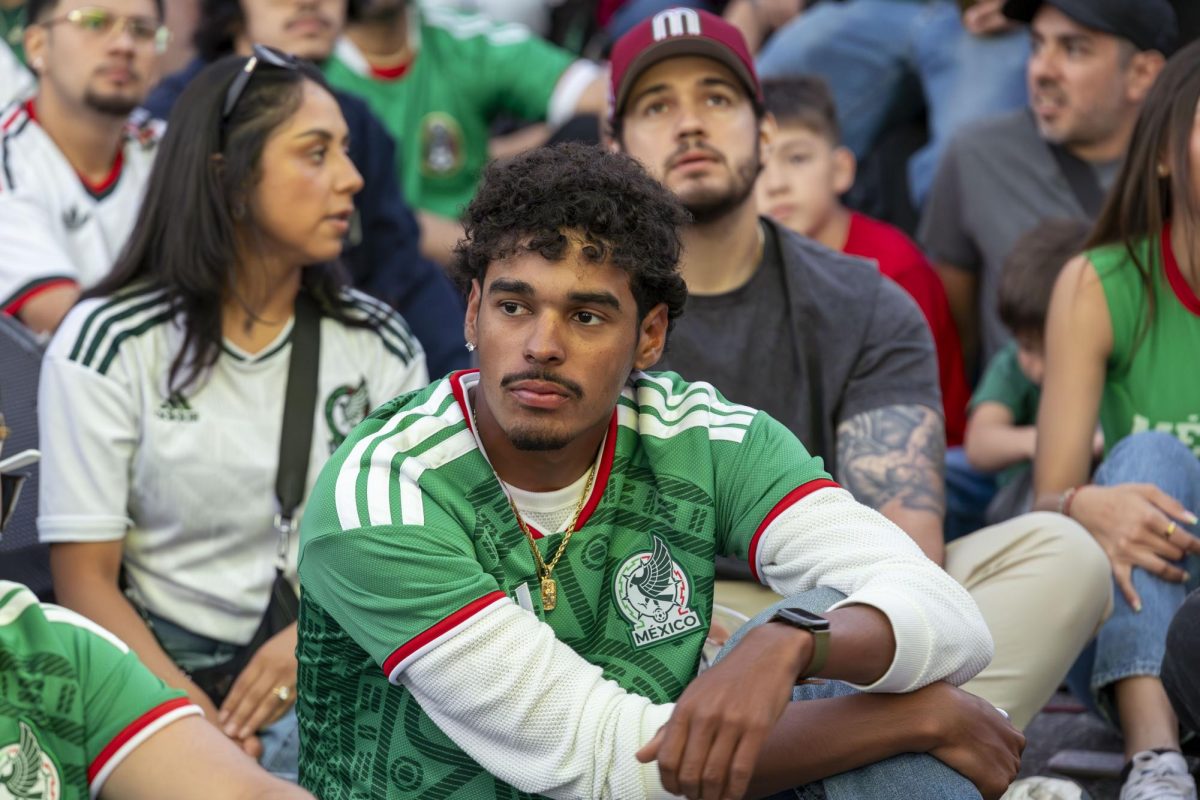
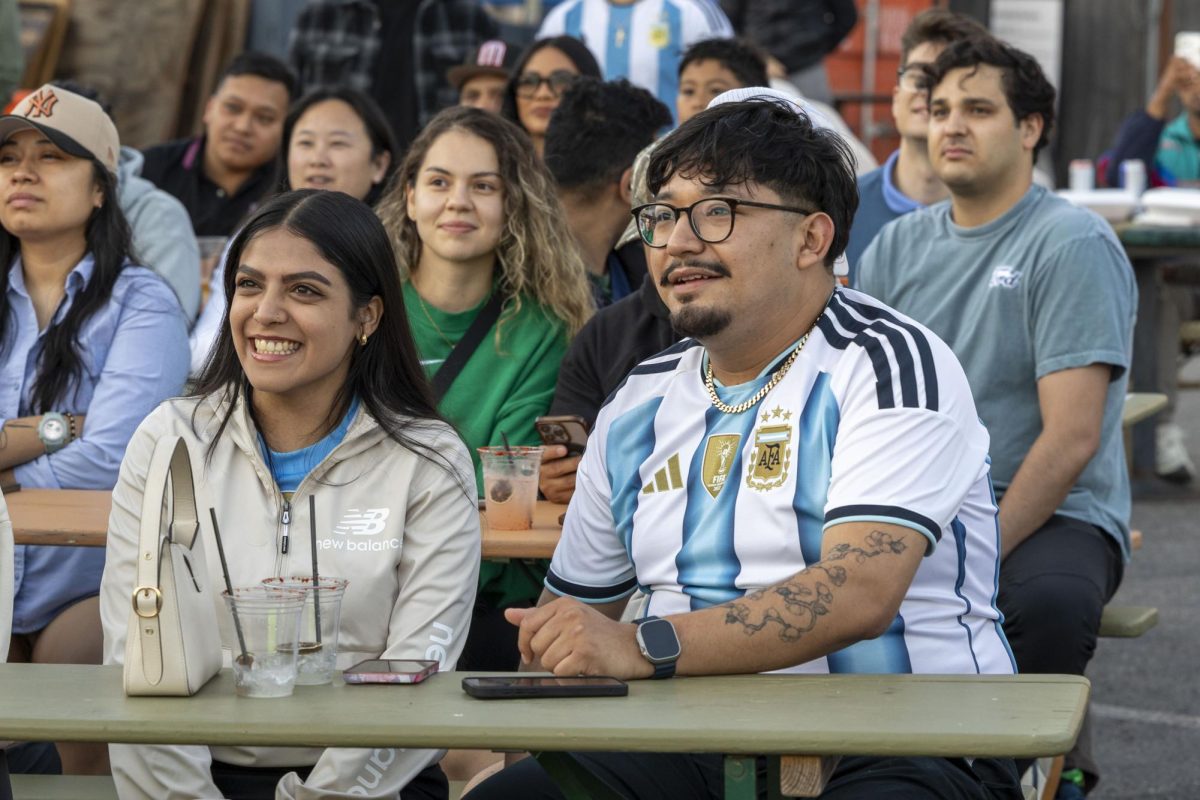
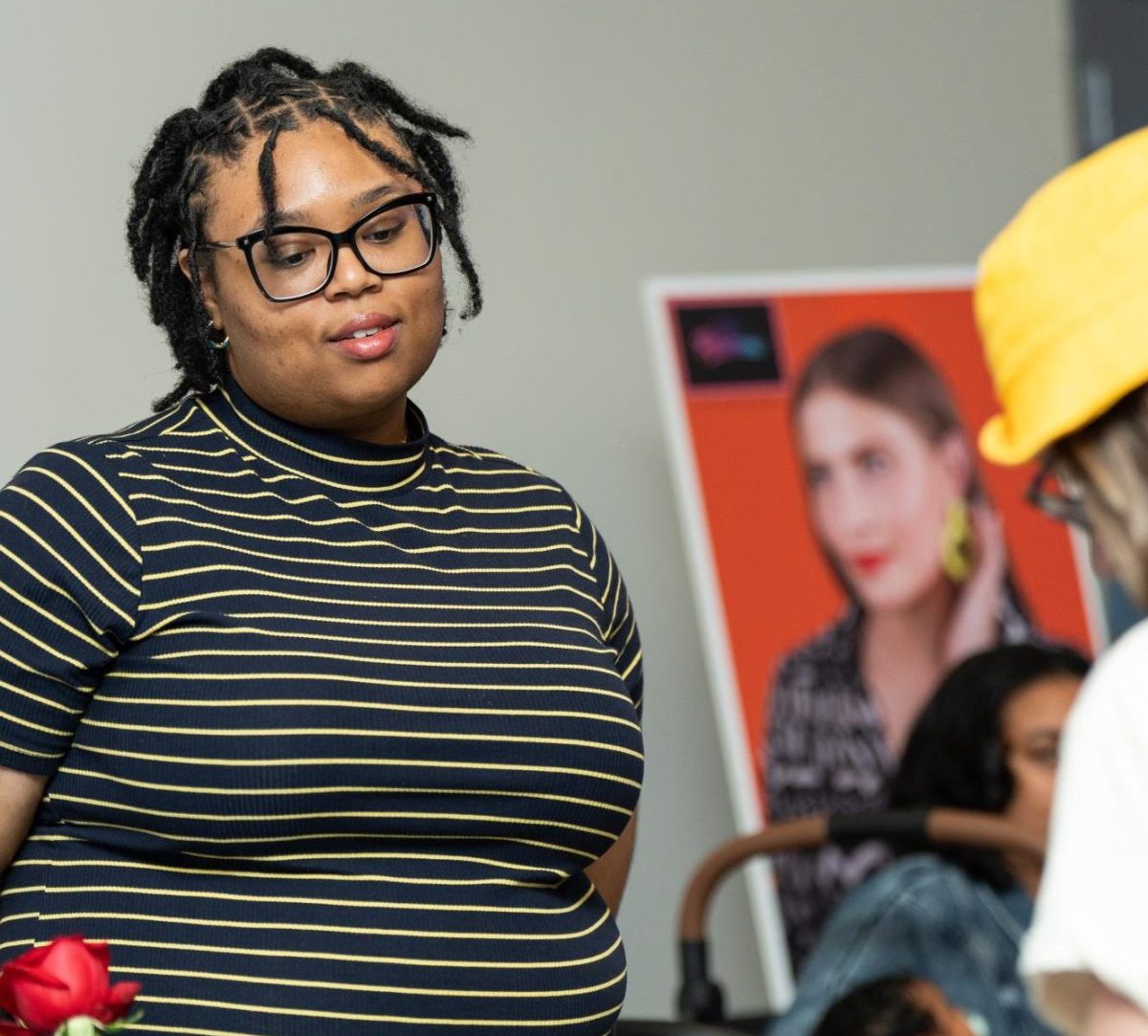
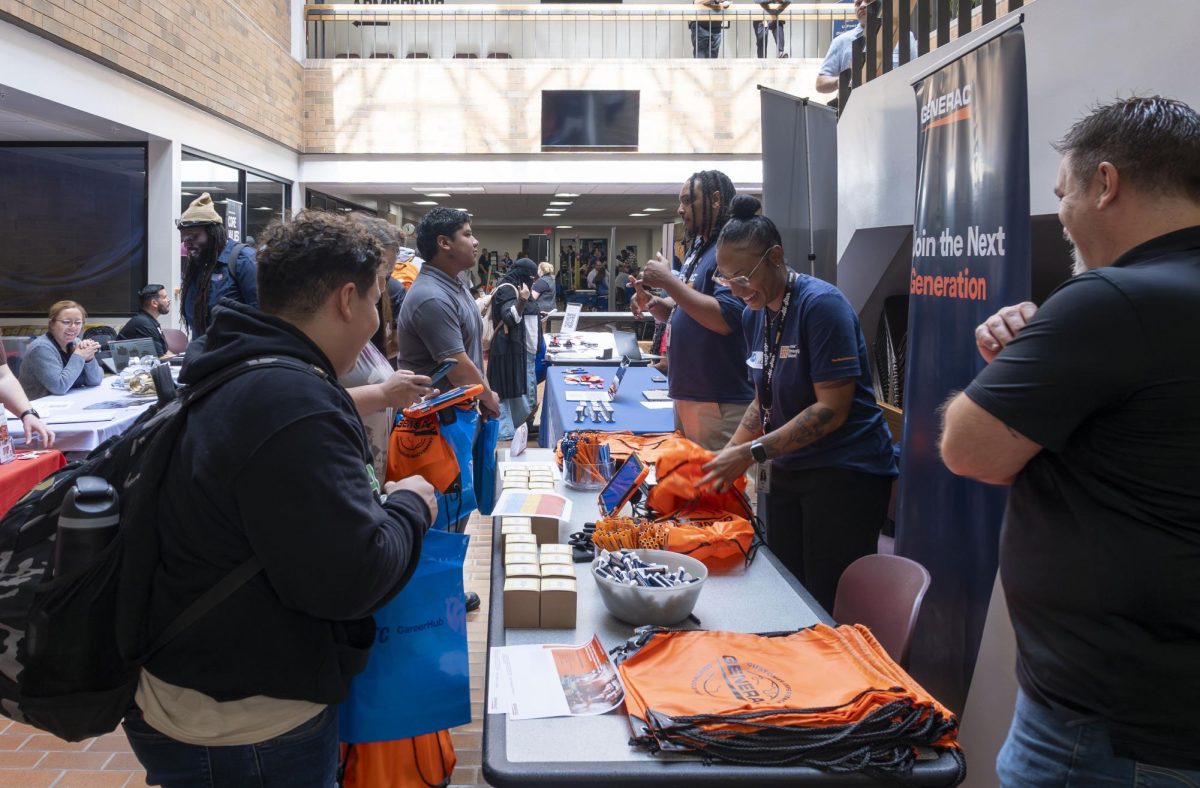
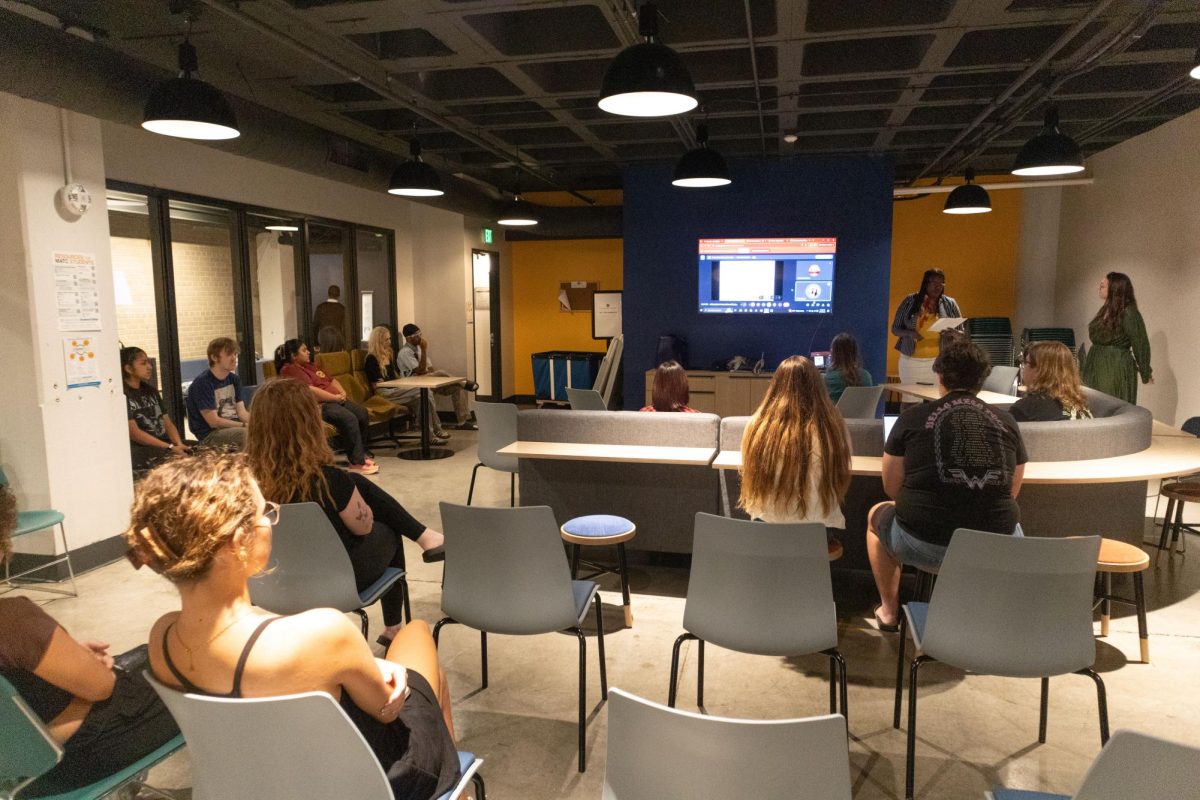
The time when you and I were born has shaped our perspective on life. We don’t experience history directly; we experience its aftermath. This understanding became clearer when I thought about the community I serve as Editor-in-Chief for our community college paper. Sixty-three percent of our students are students of color. The average student is 29 and usually juggling school with a job, family and just trying to make ends meet. Our campus is mostly female and a mix of races—Black, Hispanic/Latino/a, Asian, Native American, multiracial, and more.
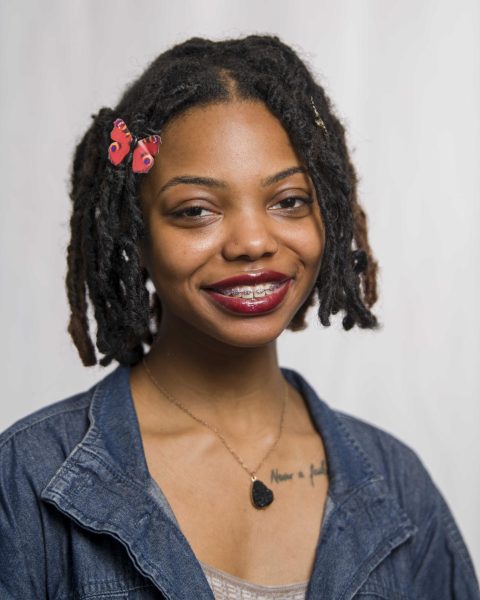
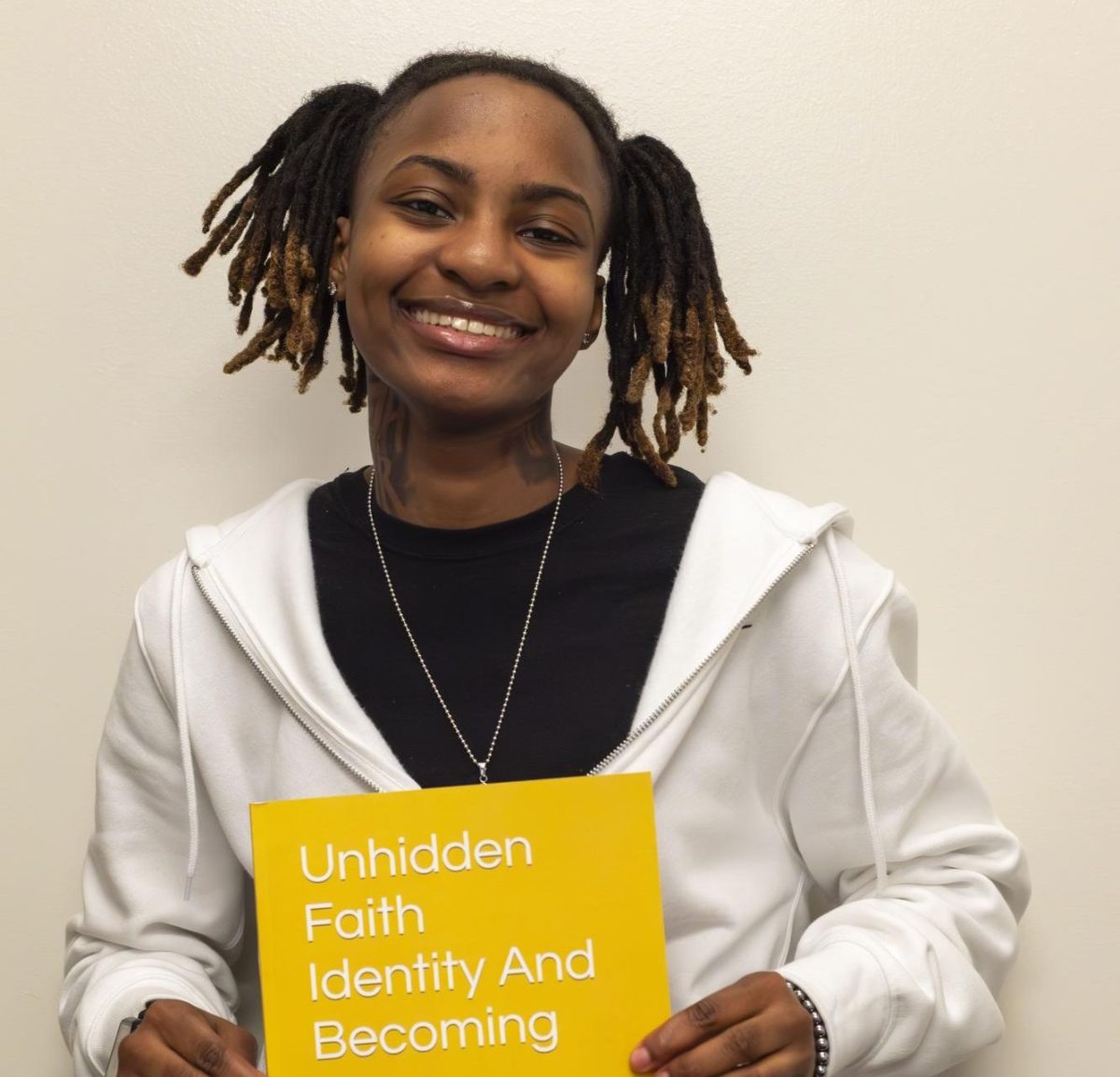
Being a Black woman, I don’t just see these statistics; I’m a part of them. These numbers represent real lives affected by disadvantage, strength, and perseverance. They remind me that writing in this space comes with responsibility. When most of a campus is made up of people who haven’t always had a fair chance, the stories we share and how we share them really matter.
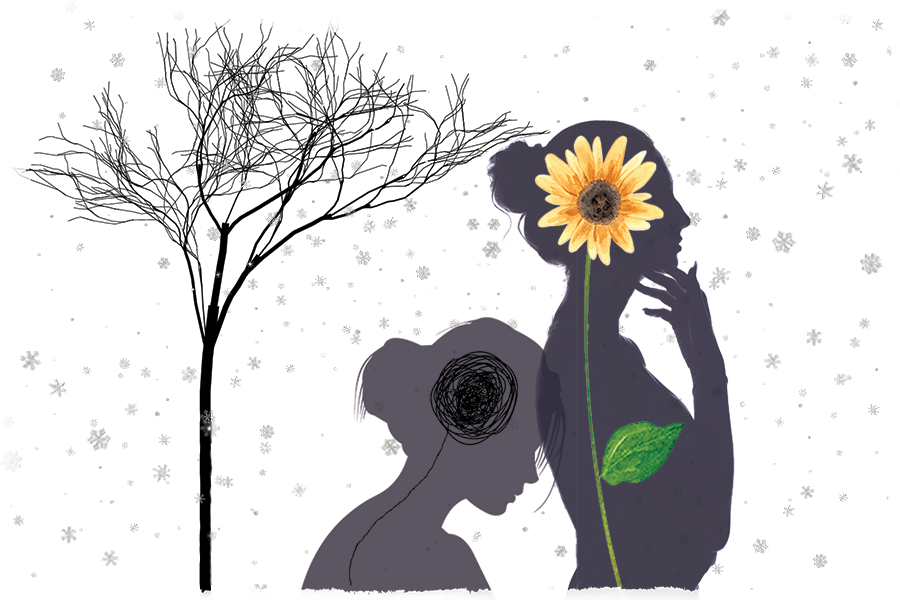
My research left me feeling emotionally drained over a time that predated my existence. Bearing that burden made me understand something important: sometimes the past is so heavy that it continues to shape people’s lives, even when they don’t want to talk about it. Maybe my job isn’t to bring back that pain, but to recognize it—with an emphasis on the people experiencing the ongoing aftermath.
When I think about MLK from the perspective of 2026, I think less about him being perfect and more about how his mind worked. He had gifts, and he chose to use them. His words, his leadership, and his talent for connecting ideas made room for others to find their own voices and potential. His influence wasn’t just about what he did himself—it was about what he inspired others to believe was possible.
Dr. King used his voice to fight the wrongs of his time. I may never fully understand the realities of that period, but I do understand what it means to represent a community still living under the long shadow of that history. The challenge for my generation—and for me as a young Black female—isn’t to pretend we know everything about the past, but to use our own abilities carefully in the present, based on the real lives of the communities we serve.