


























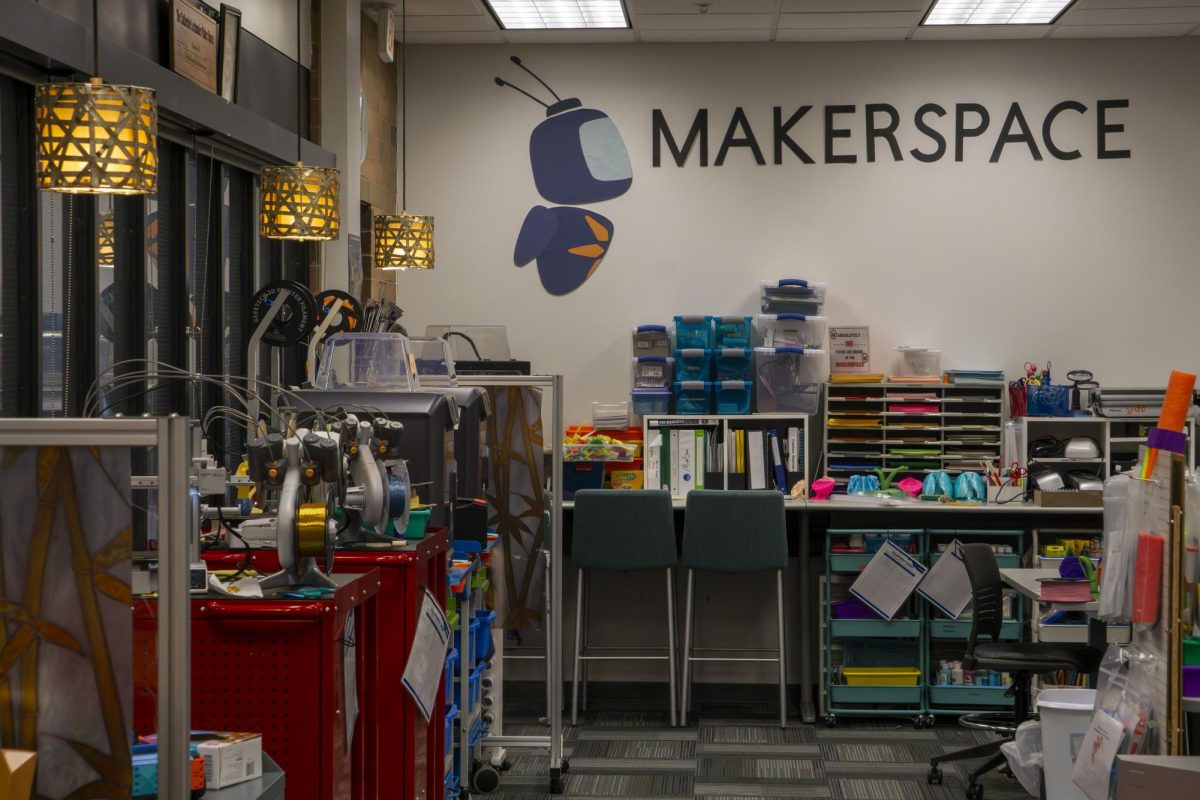


















Many students across MATC may not realize that the Oak Creek Campus is home to the Catherine Lechmaier Makerspace, a hands-on creative and technology-focused learning space housed in the library and open to students from across the college. The space was founded with support from the Oak Creek Student Association, which deserves real credit for helping make it possible in the first place.
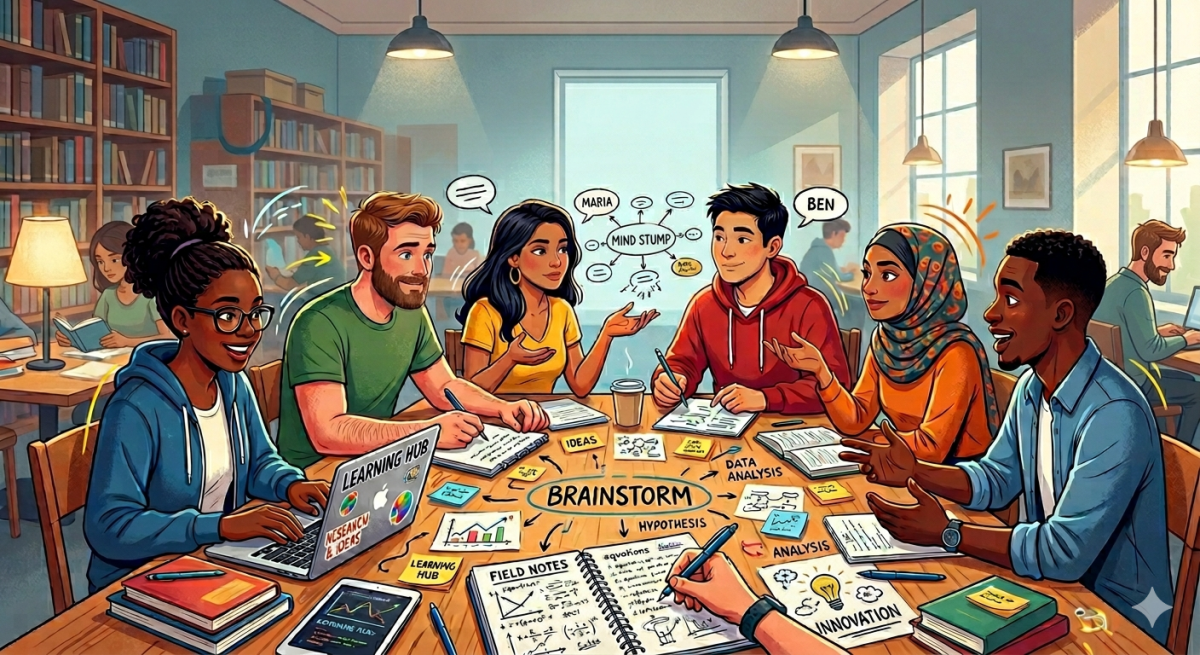
A makerspace is more than a room with equipment. It is a place where students can design, build, prototype, experiment, occasionally fail spectacularly, and then learn enough to try again smarter. One of its early missions was job training, and it has played a role in helping students build practical skills that have contributed to successful job placement.
The Makerspace supports STEAM learning (Science, Technology, Engineering, Arts and Mathematics), creativity, innovation, and interdisciplinary collaboration through tools, technology, and programming that help turn ideas into real projects. Although it is located at Oak Creek, it is not only for Oak Creek students. Downtown and West Allis students are only a short drive or bus ride away, and the trip can be worth it for meaningful hands-on work for students from farther campuses.
That is why the Makerspace deserves stronger visibility, stronger support, and a more sustainable future.
From what I understand, the college is not planning to eliminate the Makerspace outright. That is good news. But survival is not the same thing as priority. A resource can technically remain open while still being quietly deprioritized through limited staffing, reduced operational support, and a lack of dedicated investment. That is not sustainability. That is institutional houseplant care.
The Makerspace has its own mission. It supports creativity, prototyping, technical skill-building, peer learning, job readiness, and campus engagement in ways that are different from, but complementary to, the library’s role. That is exactly why it should not have to rely solely on the library’s general budget. When Makerspace needs must compete against core library needs, both missions are put in an unfair position. The library deserves funding for library services. The Makerspace deserves funding clearly designated for its own equipment, supplies, staffing, and programming.
This is also about visibility. A resource cannot thrive if students do not know what it is, what it offers, or that they are welcome to use it. If students walk past it every day without realizing what is inside, that is not proof the space lacks value. It is proof the college needs to stop treating it like a side quest hidden behind fog-of-war.
Because this resource is open to the broader MATC community, investing in it is not just an Oak Creek issue. It is a question of whether MATC is willing to support shared, hands-on learning opportunities that benefit students across campuses.
I also believe this is the right moment to explore a student organization that would partner with the Makerspace and library as a support and advisory body. This group could help with advocacy, outreach, programming, volunteer engagement, and fundraising without attempting to control the space itself. Volunteers should help strengthen the Makerspace, not become the duct tape holding it together.
To that end, I am currently leading the exploratory charge to develop a cooperative Makerspace Collaborative, including founding proposal documents, an organizational structure, and a student-centered support model. The goal is simple: help students see the Makerspace, use the Makerspace, support the Makerspace, and make sure it remains part of MATC’s future.
The Makerspace should not be an afterthought. It deserves to be seen, supported, and sustained.
(Joshua Hiett is President of Rainbow Alliance of MATC.)