













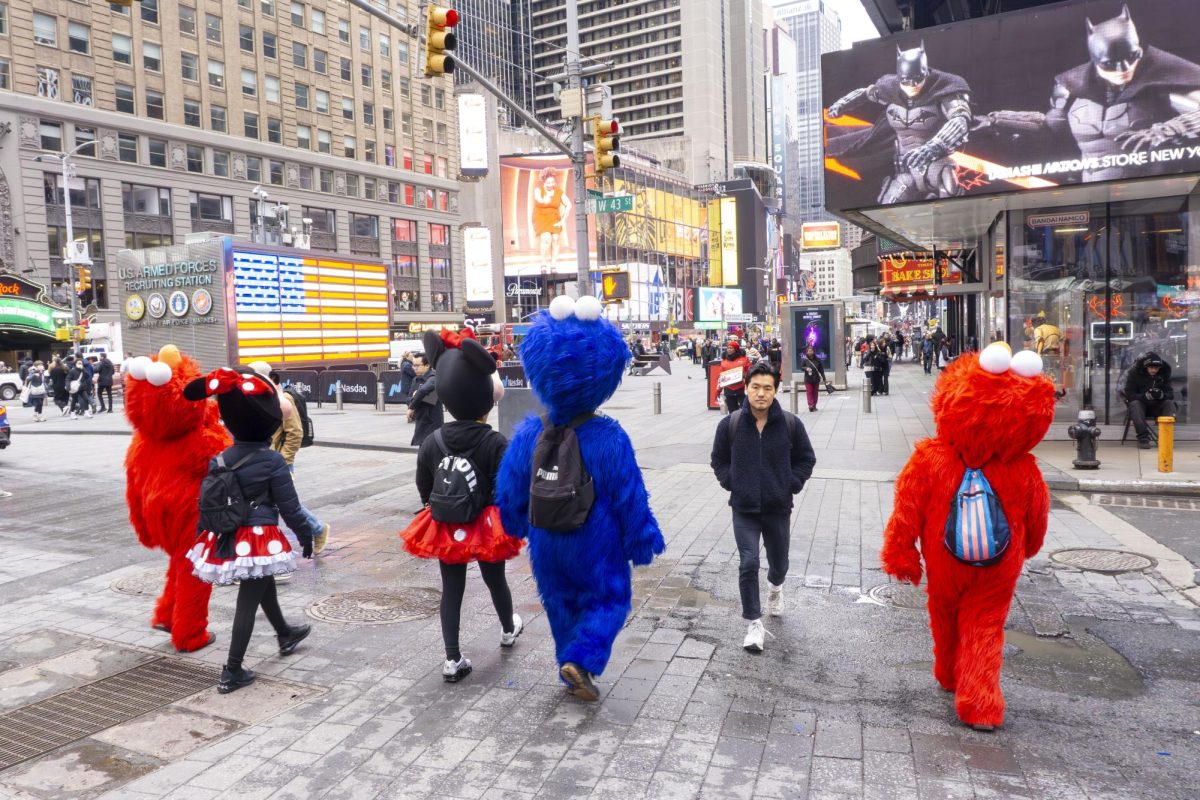
















Step into any restaurant across the U.S. on a Friday night and you’ll witness family and friend groups gathered around the table. The sound of chatter mixes in with the clink of glasses and plates, creating a symphony only consumerism can conduct. Step into New York’s Time Square and you’ll witness a different level of harmony.
Bright LED billboards light up the stage as tourists dance from shop to shop. Police stand guard over the district like bouncers ready to escort out any trouble. Marketing teams hand out pamphlets for Broadway theatre. Under the corporate sponsored marquees there’s another show. The city’s gig workers enter stage left.
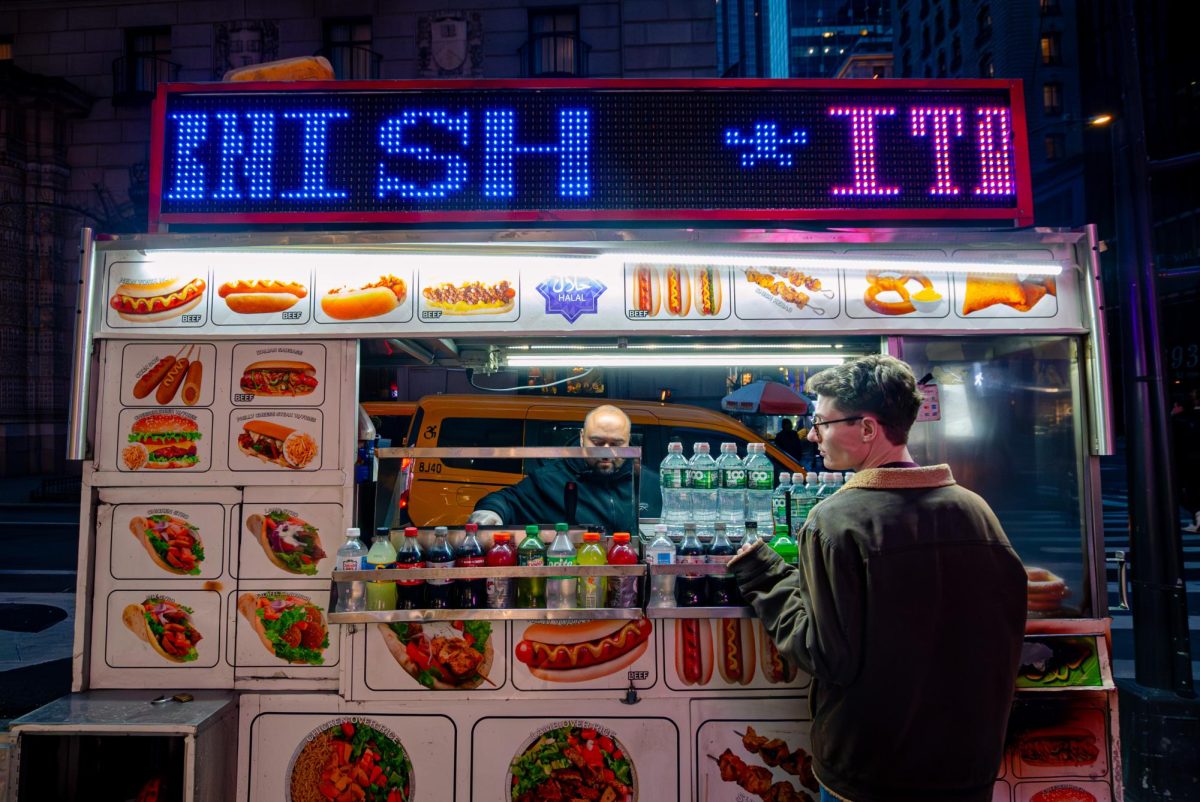
Acrobats flip through the sky as street photographers snap photos of the action. Bucket drummers drop acoustic beats as pedal cabs blast pop music from their Bluetooth speakers. Street peddlers market homemade goods next to artists offering caricature drawings, next to magicians performing tricks, next to food carts, next to a person asking for a dollar for no particular reason except survival. This makeshift amusement park allows any and everybody to show up and hustle.
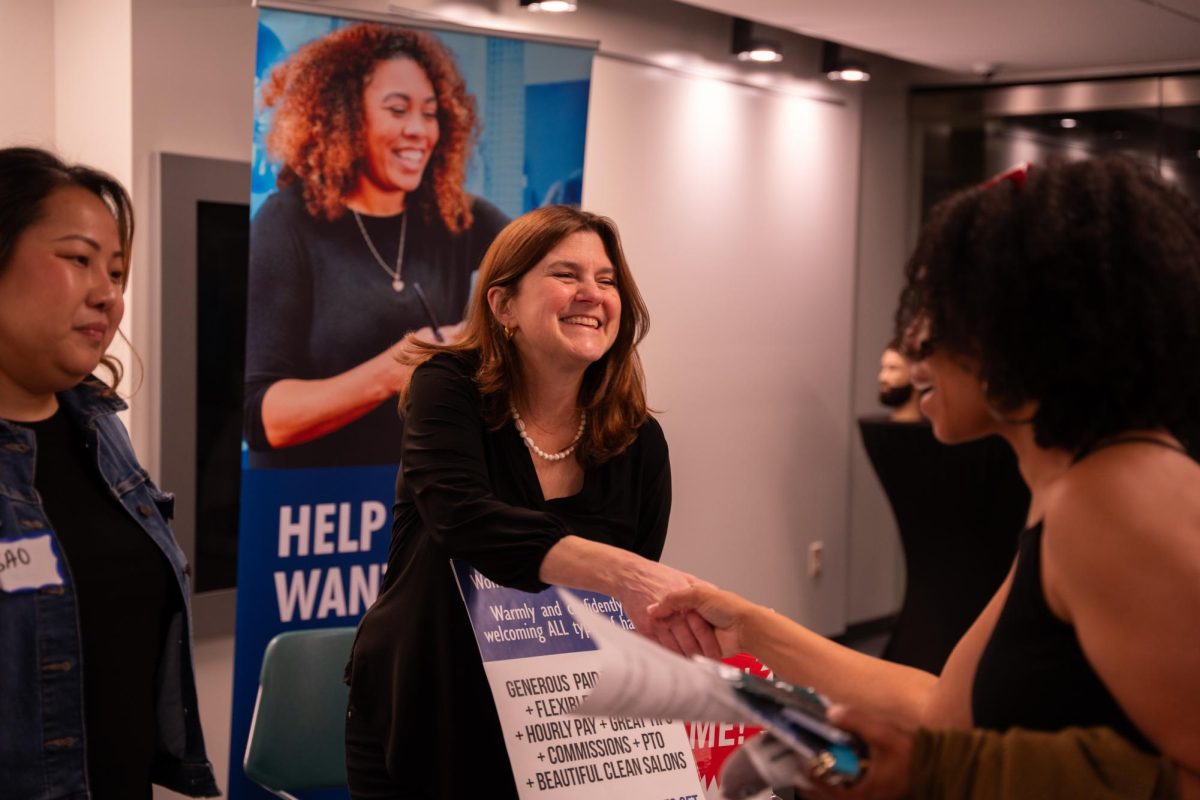
Oxford defines the gig economy as a labor market characterized by the prevalence of short-term contracts or freelance work as opposed to permanent jobs. More than 50% of the US workforce is expected to participate in the gig economy by 2027. A big driver for this growth is the flexibility provided and need for additional income outside of primary jobs. The average hourly rate for freelancers in the US is $47.71 as of 2025. Apps like Uber and Lyft allow everyday citizens to participate in the taxi/limousine industry which is estimated to bring in $39.9 billion a year. Independent artists, writers and performers are estimated to earn $25.4 billion. These numbers don’t account for gig workers who don’t report their income to the government.
Needless to say, there is plenty of opportunity to earn money outside of traditional forty hour a week jobs. This flexibility allows individuals to pursue other endeavors while still being able to pay the bills. Time will tell how this shift ultimately affects the US economy. Today, citizens are able to access the free market like never before.


