



























On January 20, 2026 I was summoned for jury duty for the first time. My initial feelings were those of dread and exasperation, followed by a glimmer of excitement in hopes of some courtroom drama.
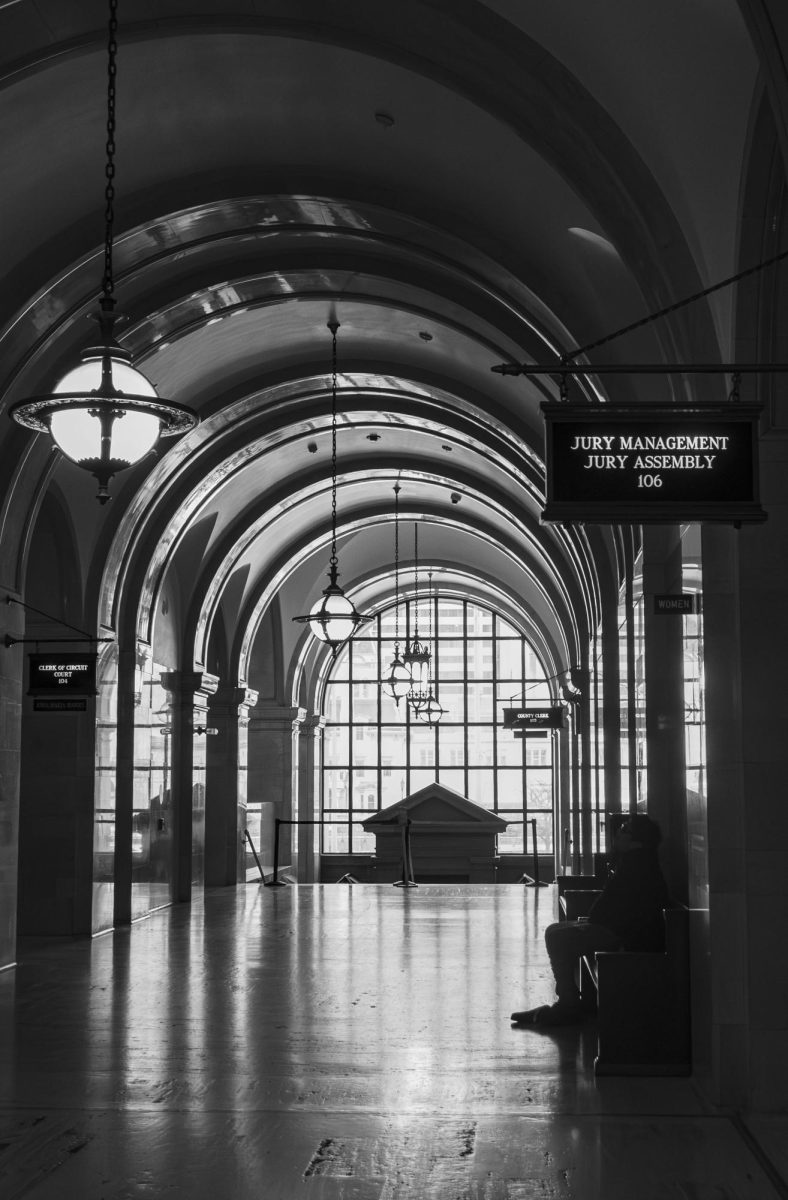
I was surprised at how briskly I got through security when I arrived. The security guards escorted everyone towards the jury room. I was shocked by how easy it was to navigate the Milwaukee County Courthouse with help provided by the county employees.
I was told that there would be a lot of waiting on my first day, and oh boy let me tell you, it is true. I cracked open my book and found myself asleep in a matter of minutes. About every 40 minutes, a booming voice came over the intercom listing names, several of us woke up with heavy eyes and listened to see if our name and number would be called. Each juror was assigned a number to keep us in order, we would keep this same number if we were selected to serve on a case.
After five rounds of roll call and a lunch break, I was finally called to potentially sit on a jury. It’s called a Voir Dire (a French term for ‘speak the truth’) where potential jurors are questioned. We were asked a variety of questions before determining whether we could participate in a criminal trial. These questions included: How do you feel about guns? Have you served on a jury before? Do you have family that has been through the justice system? Would you be able to remain unbiased regardless of how you felt towards the case?
When determining how to respond to the questions, I could’ve come up with an absurd lie like: I don’t trust or believe in the government, but the truth is that serving would inconvenience me at the beginning of a new semester and I didn’t want to fall behind in my classes. Nevertheless, my academics were of no importance to the judicial system.
After the questioning, they called off the numbers of the jurors who had been selected to serve on the case. My eyes widened when I heard my number called. I was surprised that I had been picked, even though I had hardly shared any response to the attorney’s questions during selection. After I was chosen, the first day had come to an end, and the judge gave us instructions on what was to come during the following days.
For the next two days, we had arrived bright and early waiting to listen to the case. In all honesty, I found myself dozing off here and there. It was quite exhausting to hear the same courtroom phrases used over and over, as well as the same ten questions being rephrased.
It was most interesting to listen to eye witness testimonies to hear whose stories aligned. Most of them did not, so I was more inclined to believe the defendant’s side of the story. I thought it was nice that when us jurors got to go on our lunch break, we sat together at multiple tables talking about work and our families.
On the third day of the trial, we were going to have our first deliberation as jurors. We had all been itching to share our opinion on the case, especially me. Once the judge had given the instructions, she announced that there were 14 of us rather than 12. We looked at each other with a bit of shock since none of us thought to do a head count; two of us would be dismissed as alternates who did not get to deliberate.
I was chosen as one of the alternates, but luckily I didn’t have to come in for the rest of the trial or deliberations. The other alternate and I quickly shared our thoughts and opinions on the case along with what we thought the verdict should be. The day before, a bailiff mentioned that his favorite part was watching people become friends and exchange all sorts of information during their time together.
Although it wasn’t personal, I was a bit offended that I didn’t get to deliberate with the rest of the jury. After all, I did have to wake up early every morning to sit still and listen to people speak in fancy law terms for hours. You would think that after being subjected to that you’d at least get to share your opinion. Unfortunately, I don’t make the rules.
A day later, the jury ended up reaching the verdict that I agreed with. While it was kind of a pain to sit through, once you actually pay attention to what is going on and recognize the environment you’re in, you realize that someone’s life is in your hands.
I had to take a step back and not think selfishly and realize what was happening was greater than me. Part of the outcome of someone’s life–whether they walk free or spend the rest of their life in jail–is dependent on the jury verdict. It was eye opening on how the justice system works, and it puts into perspective how you would want to be treated if you ever were a defendant.
The experience tested my patience, empathy, and knowledge. I am grateful for those days sitting in the courtroom, the connections I made with people in my community, and the overall courtroom knowledge I gained from observing the process.