
















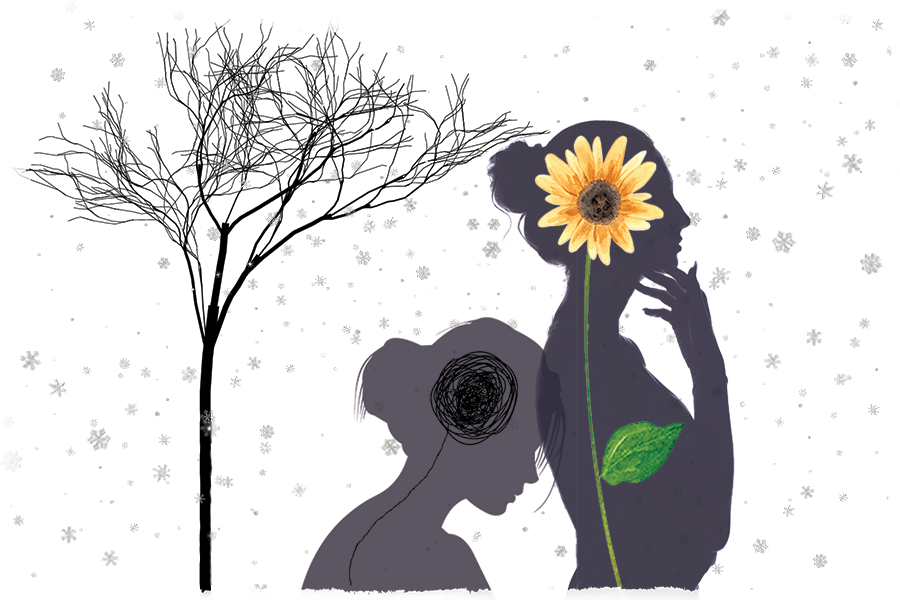



When winter tightens its grip and daylight fades early, many college students feel a familiar chill. Though specific student-only data is less common, reports show high rates of general depression and “winter blues” among students, especially in northern climates.
This season marks the yearly appearance of Seasonal Affective Disorder (SAD), a type of depression linked to changing seasons and reduced sunlight. SAD affects millions globally, affecting women and younger adults more frequently.
Around 5% of U.S. adults experience SAD, though estimates vary, with some studies finding rates from 1.4% up to 9.7%, depending on where the person lives. Milder “winter blues” affect around 10-20%.
SAD is more common in women, with onset typically in young adulthood (20s-30s). Symptoms like low energy, difficulty concentrating, and social withdrawal can make the demanding college schedule feel insurmountable. But instead of just enduring the “winter blues,” we are taking proactive steps, leaning on support systems, and advocating for innovative mental health resources.
From Isolation to Illumination
Yet, besides the gloom, students at MATC are transforming this challenge into a powerful source of community and resilience, proving that even in the darkest months, light always shines.
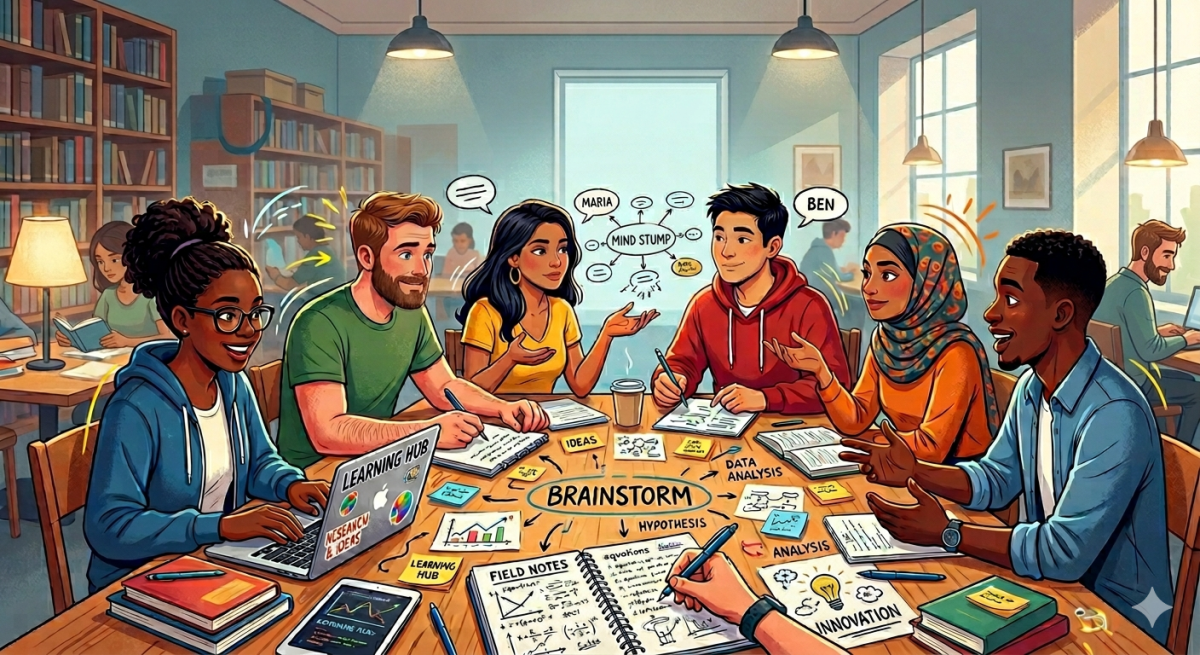
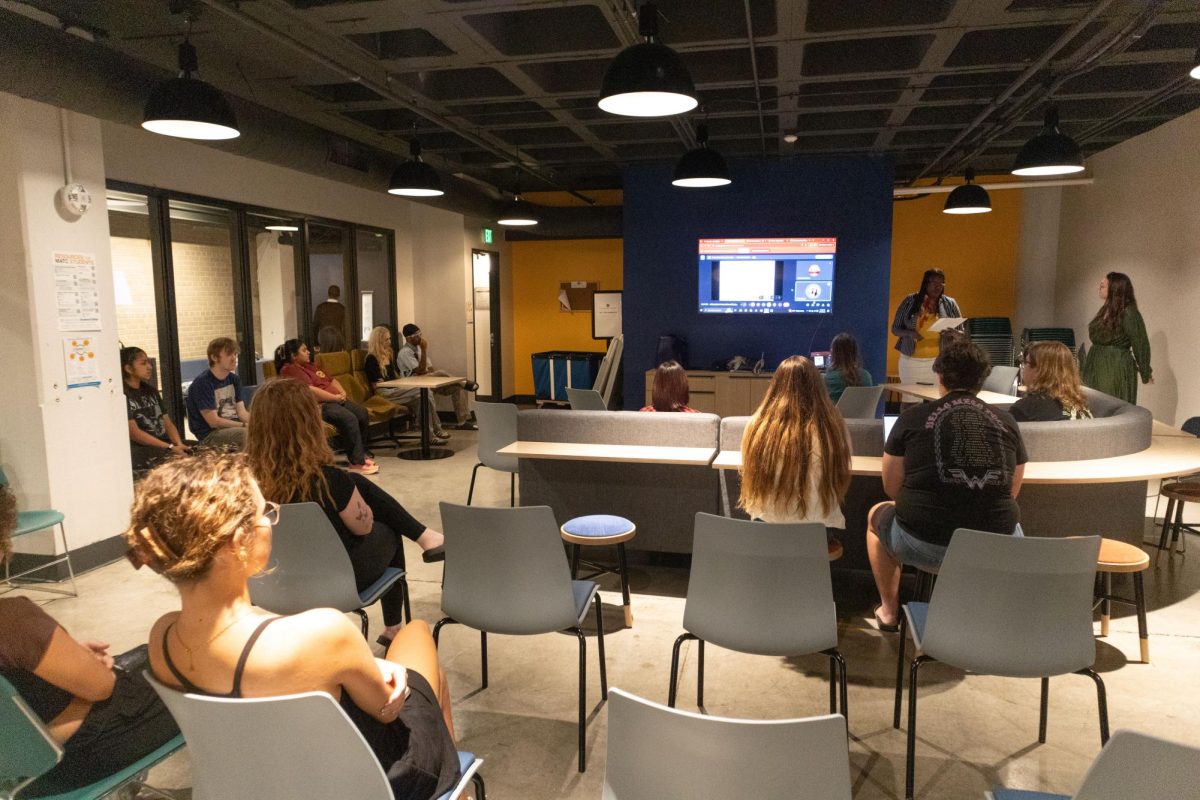
Social media groups and MATC organizations are booming with activity, organizing Health and Wellness workshops, Mindful Mondays, eccentric study sessions, and activities to maximize sun exposure and social interaction.
Study groups move to the sun-drenched student lounge at the Downtown Campus, and “sunlight breaks” are replacing traditional coffee runs. From the snowy Midwest to the overcast Northeast, students are swapping isolation for shared solutions.
“Even though we don’t control the weather, we can control how we respond to it,” said Nicole L. Wheatley, Counseling & Psychological Services (CAPS).
Wheatley continued, “We encourage people with any type of depression to reach out to friends, family and the CAPS department. . .” Taking advantage of routine is the last thing people want to do in cold, dark weather, but being active/social, pursuing physical activities, eating nutritious healthy meals and getting enough sleep are beneficial for overcoming the “winter blues.”
CAPS Innovation and Inspiration
CAPS, in partnership with online therapy platforms like BetterMynd, are providing college students immediate access to free video therapy with licensed counselors 24/7. In addition to meeting a surge in demand with innovative solutions, CAPS has also partnered with Togetherall, a global anonymous peer to peer support group that provides free resources and self help courses about mental health and wellness related topics. Telatherapy is bringing students together and letting them know that they aren’t alone.
A Message of Hope
The effort to combat SAD on college campuses is more than just a fight against the darkness, it is a testament to the strength, ingenuity, and empathy of a generation determined to prioritize mental health. These students aren’t just surviving winter, they are actively working to create a warmer, more understanding world around them.
As the days remain short, the inspiring actions of these communities remind us that while the weather outside may be frightful, the human spirit is a source of infinite light. By sharing their struggles and their solutions, they are ensuring that no one has to navigate the winter months alone, proving that even in the shadow of seasonal change, there is always unity, hope, and warmth to be found.
Do You or Someone You Know Need Help?
Please connect with the 988 Suicide & Crisis Lifeline, call 911, or contact MATC Public Safety. The emergency number is: 414-297-6200. CAPS also recommends reaching out to a healthcare provider if you may need medication support related to seasonal vitamin deficiencies. You can also reach out to CAPS, 24/7 if you need the immediate assistance of a counselor at 414-297-7583.