




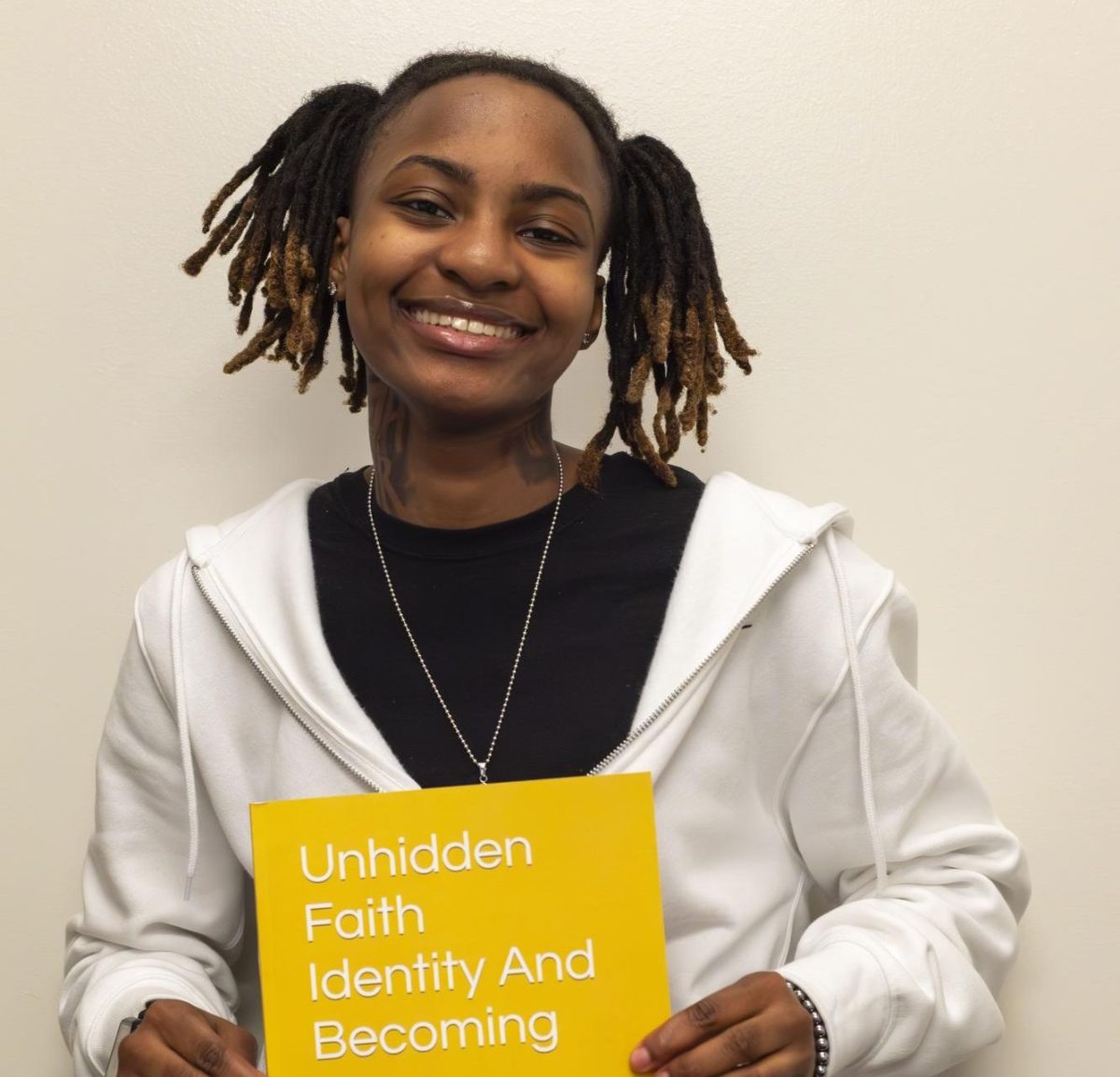
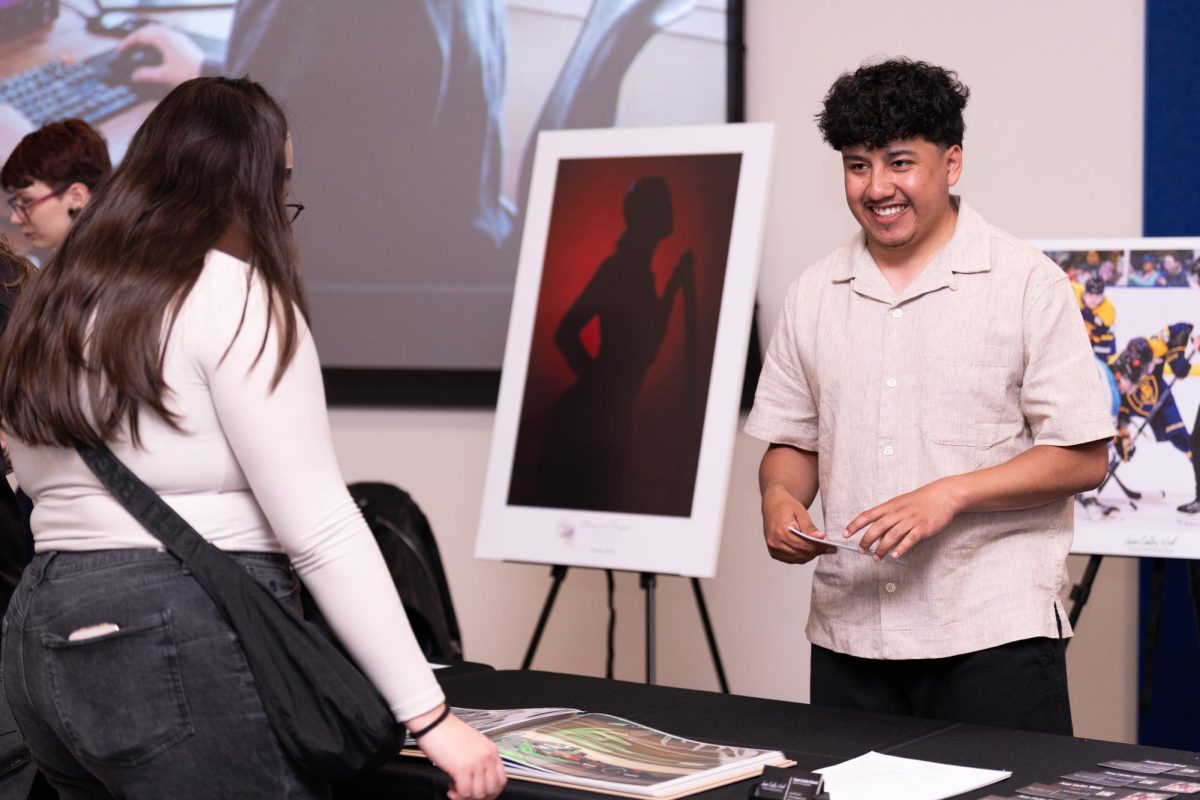



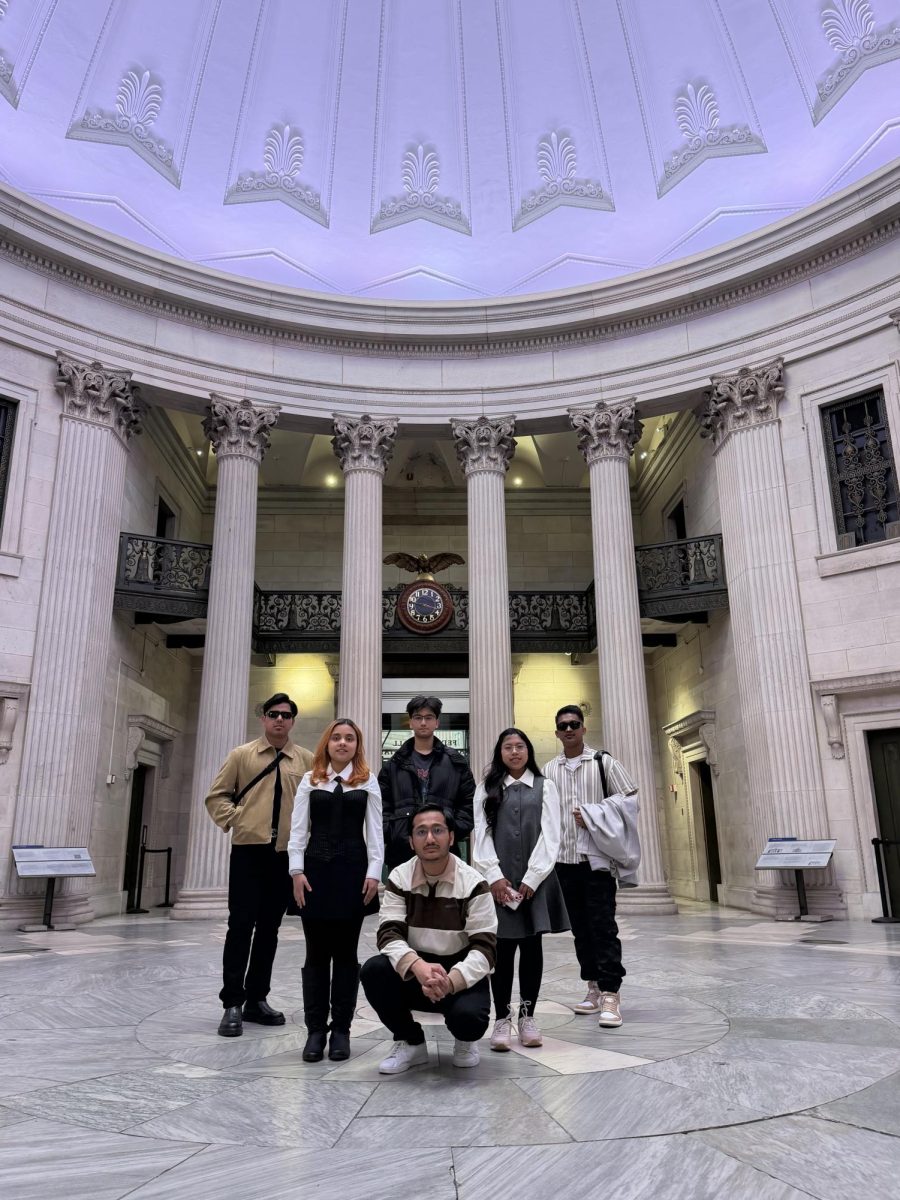
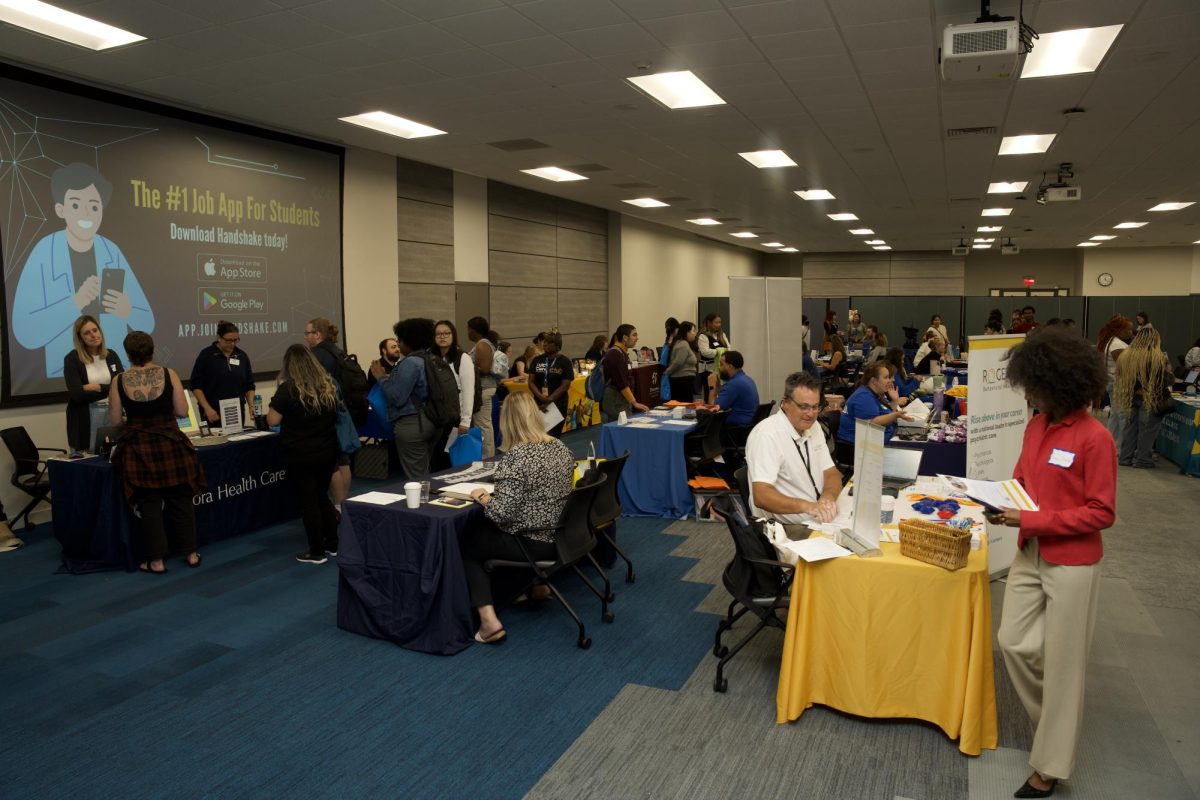
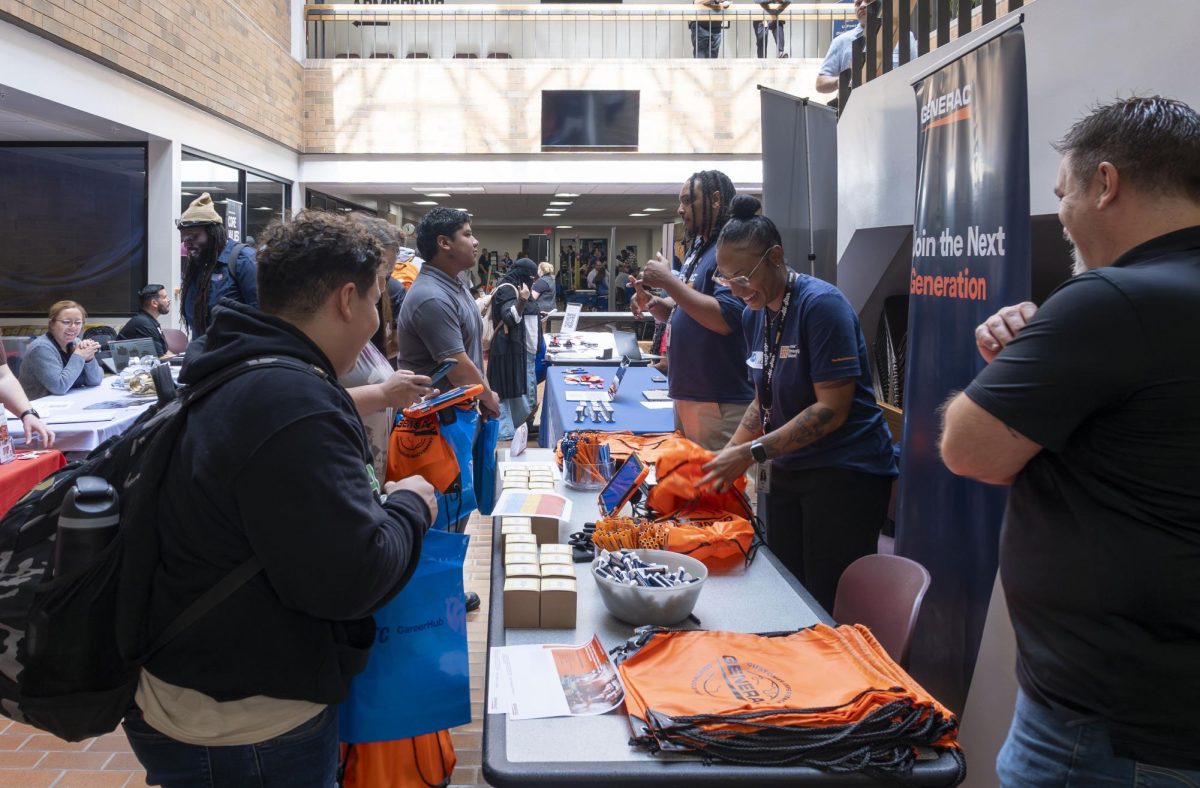






During the MediaFesrt25 Conference in Washington, D.C., I was more mentally present and had the goal of learning something. To my surprise, there were a handful of faith-based journalism and ethics sessions for students who were interested in this unique niche of journalism. I felt it was the perfect opportunity for me, as a disciple of Christ, who will be entering a world where journalism ethics are in question.
The first session I attended was titled “Moving Images: producing faith-based documentaries that engage a broad audience.” The speakers were Shane McMullin, the director of The Go! Series and Jason Waggoner, the writer for The Go! Series.
The conversation centered around documenting the truth, even if it doesn’t align with your beliefs. McMullin spoke about his experience as a faith-based documentarian who has trust in God to lead him to the stories that he helps share. He expressed how he’d start off with his own plan and get instructed and directed to go whichever direction the Lord sees fit. And, when he surrenders to God’s provision, the stories and people find him.
I also thought it was interesting how both Waggoner and McMullin made it a point to state that they never go into an assignment with the mindset of forcing their beliefs onto anyone or with the mentality to manipulate them into their religious beliefs, yet that spiritual aspect emerges naturally more often than not. This was a great start to the conference for me as it is my long term goal to create documentaries, so I was left with gratitude and able to see my goals a lot more tangibly.
I also sat in a session that was titled “Permission to Report with Faith” led by Tyson Langhofer, the director of Alliance Defending Freedom. He encouraged students, who hold their faith in their heart, to always be truth-seekers and tellers even if it costs you something because that’s what being a disciple is.
He spoke about his organization that provides legal representation for K-12 and college students. He shared a couple of cases where he represented conservative students who were being bullied, silenced, and threatened just for organizing on campus and sharing their beliefs. I thought to myself how you rarely hear about cases like that in the mass media. Oftentimes, we hear about more liberal students being victimized, which is also unacceptable. We all have a right to the First Amendment. This session inspired me to lead without fear.
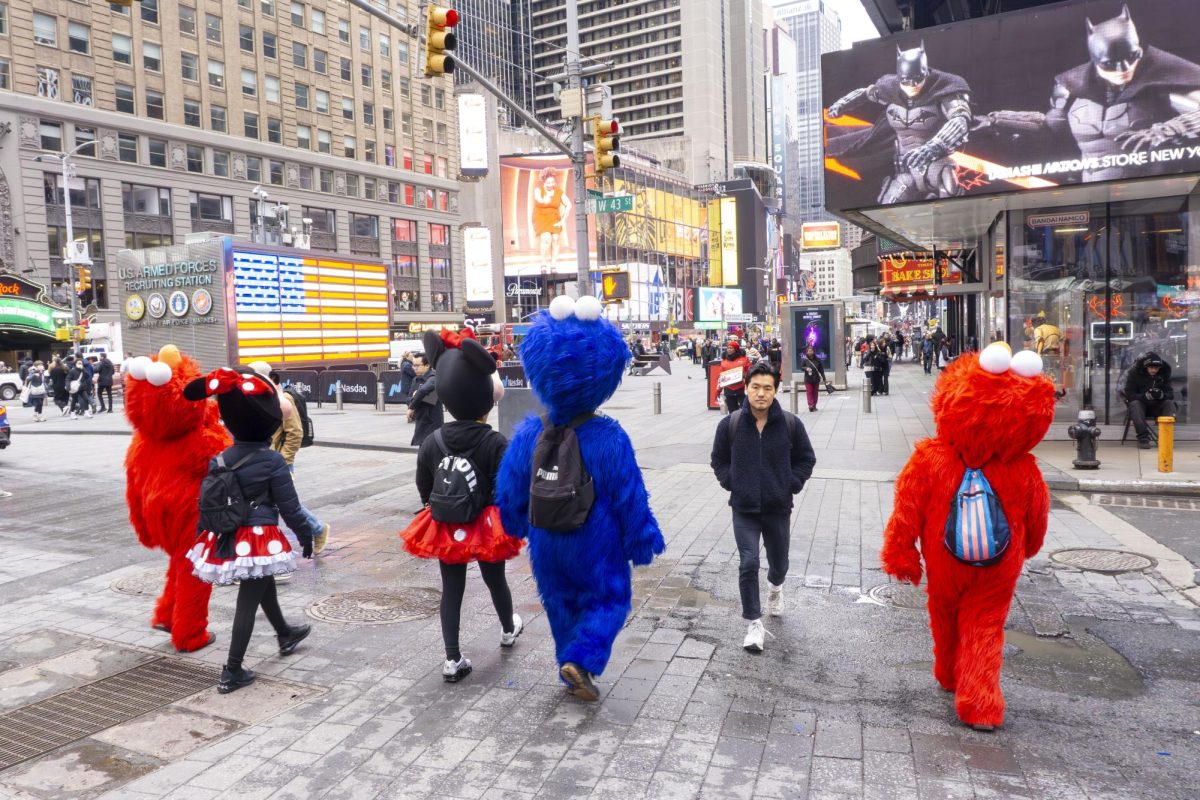
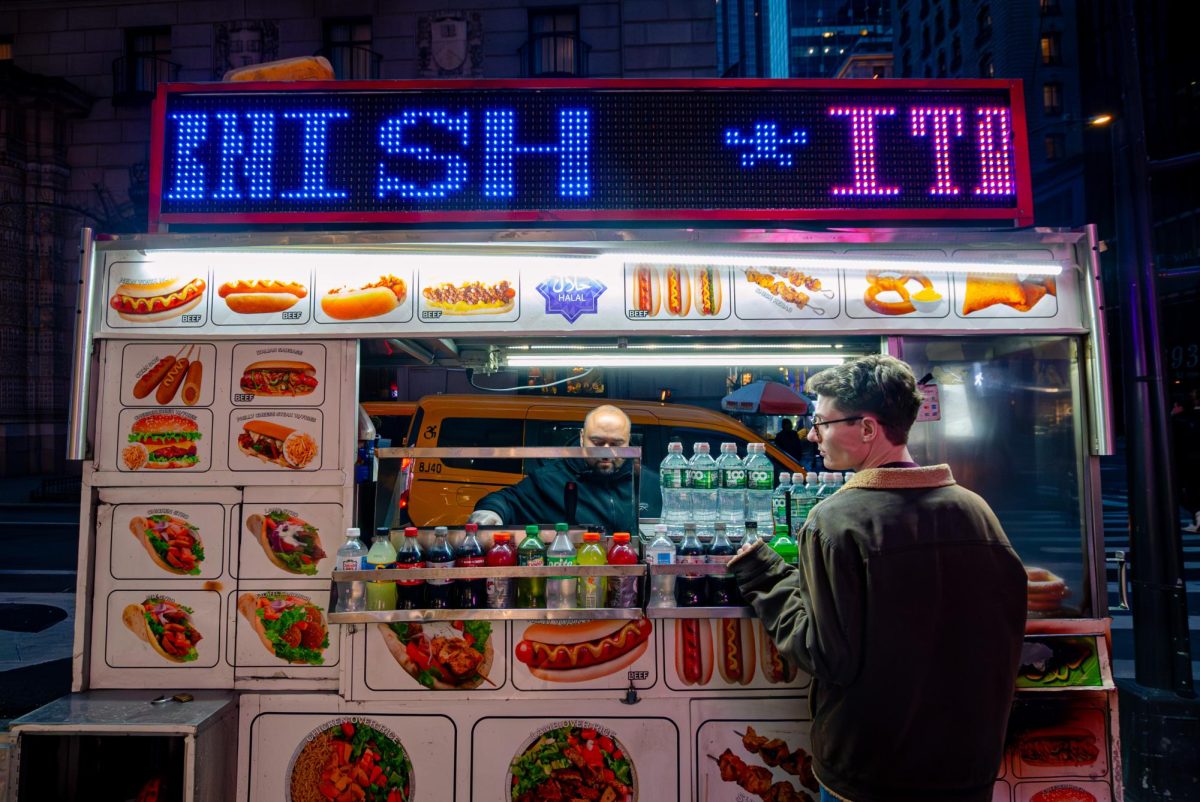
I attended a few more sessions that gave tips on how to interview and ask hard questions as well as proper research. In the midst of a government shutdown and National Guard Troops being stationed in Washington, I anticipated experiencing the unexpected, yet my experience was met with an eye opening revelation. As I wandered the streets of Downtown D.C., I couldn’t help but pay attention to the multitude of unhoused individuals.
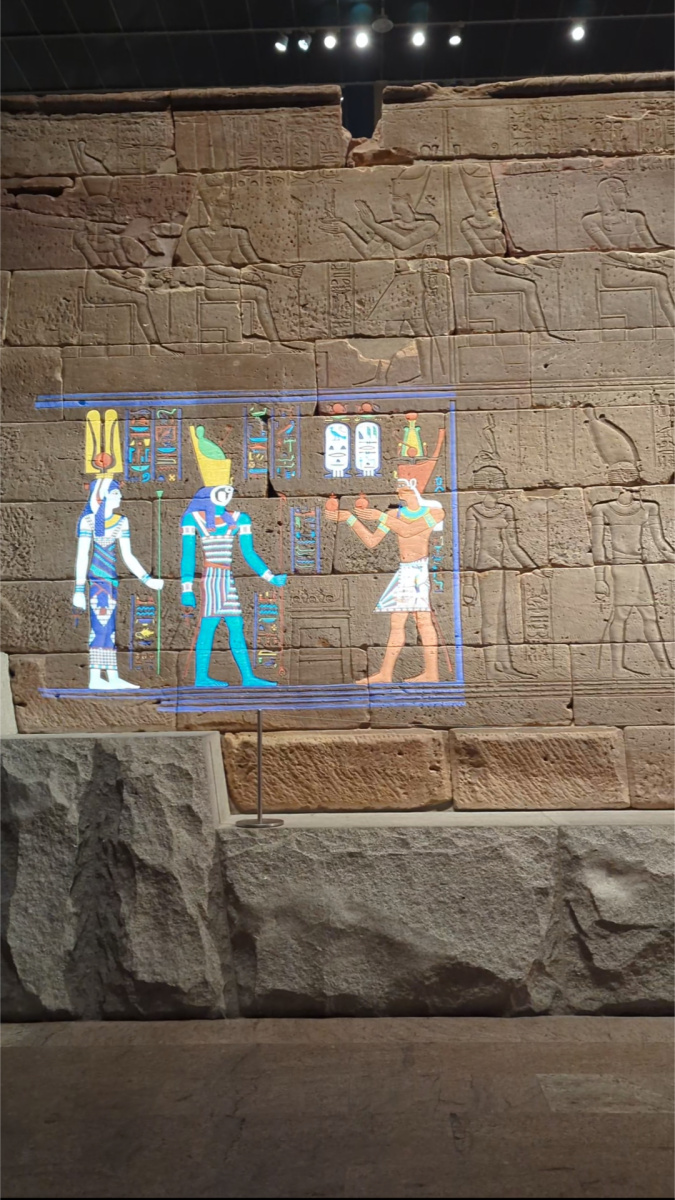
Some lay on benches, steps of museums and in parks that are in the same neighborhood as The White House. The more we walked to explore historic landmarks, the more unhoused people and families I saw laying on the sidewalk. It revealed to me just how serious the problem of homelessness is in our Nation, and I began to connect this to what I learned in the faith-based sessions I sat in.
All of those sessions had a commonality of expressing that faith-based journalism isn’t meant to be cringe worthy or forceful, but to show that intangible love for humanity that Yahweh has for us all. I am left with feeling inspired on how to visually and creatively document the stories I am led to help tell while allowing the Holy Spirit to be in the midst.
