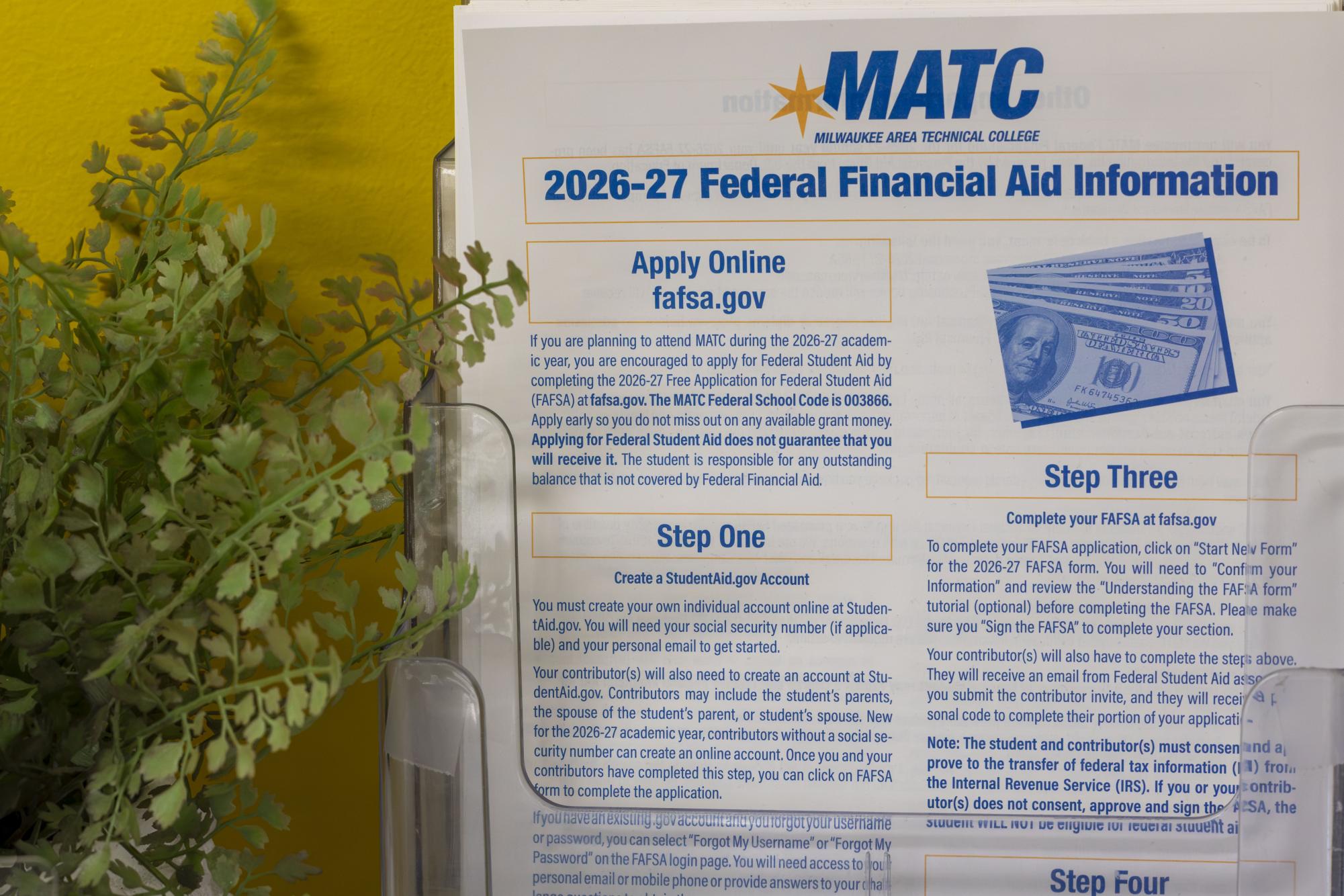














































There is a uniquely American form of comedy in which lawmakers give legislation names that sound like they were focus-grouped by a marketing department. “The Big Beautiful Bill” sounds less like federal policy and more like a clearance sale at an outlet mall. Unfortunately for some MATC students, the joke stops when they open their financial aid portal.
The Federal Direct Loan portion of their 2026–2027 financial aid offer may look lower than expected. MATC financial aid officers have described that packaging approach as connected to the college’s implementation of federal changes under the One Big Beautiful Bill Act.
Unless students question it, they may never realize they need to act.
Some MATC students may discover a confusing split in their financial aid offer: full-time Pell Grant eligibility, but Federal Direct Loan funds are initially based on an estimated six credits. In other words, a full-time student can still receive a loan offer that behaves like the system looked at their schedule and said, “Best I can do is part-time energy.”
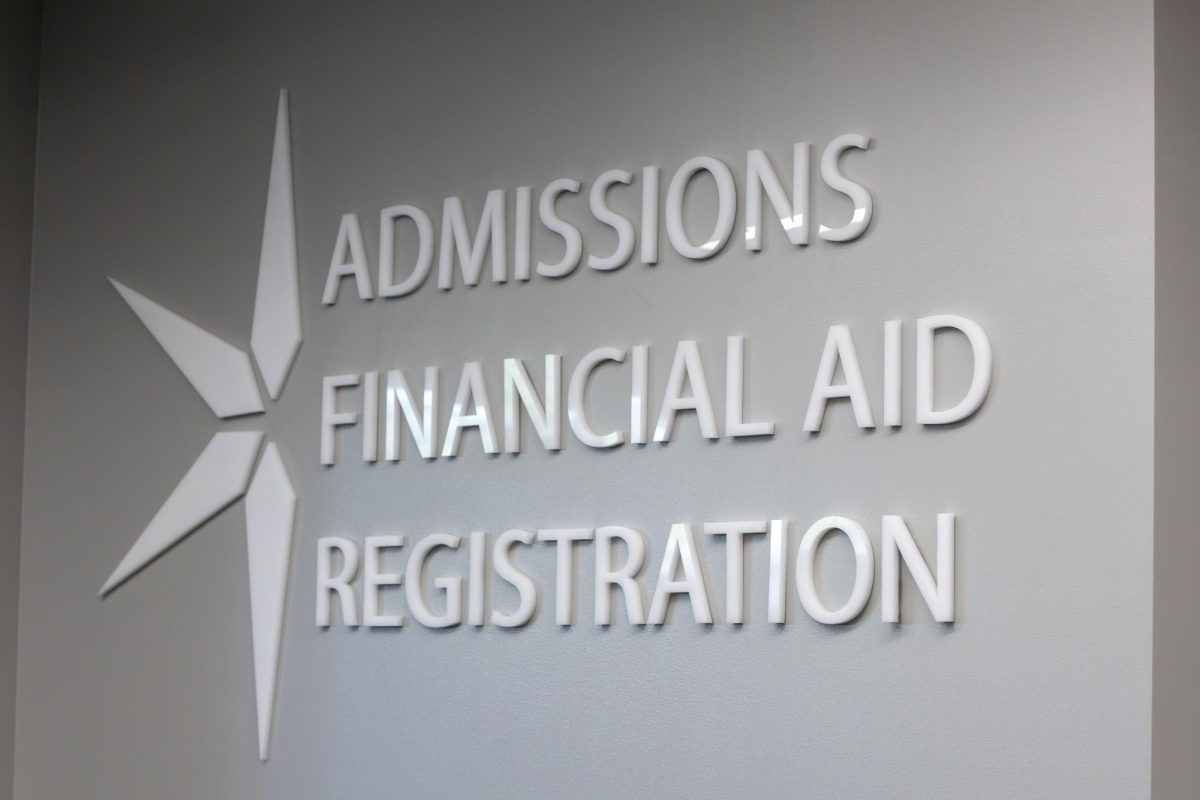
A 2026–2027 MATC financial aid offer letter for a full-time student states that students registered for six or more eligible credits who want additional loan funds must complete a loan request form through Self-Service or contact MATC by email.
This means the loan portion of the offer may require extra action — not because the student’s financial situation changed, but because the burden has shifted onto students to recognize the discrepancy and request reevaluation.Students who see that six-credit language should contact financial aid before assuming the loan amount shown is the maximum available to them.
That is not transparency. That is a scavenger hunt designed by accountants.
If there is logic buried somewhere under this mountain of bureaucratic nonsense, one possible goal of conservative loan packaging is to prevent students from accepting larger loan amounts than they need.
In theory, I understand the argument for making student borrowing more intentional. Student loans are dangerous because they do not feel dangerous while clicking “accept award.” But students can only borrow intentionally if they are informed, and right now, the communication surrounding these changes feels abysmal.
Students are not financial aid experts. They are already balancing classes, work, and life in an uncertain economy, and most assume the financial aid offer they receive is the one they qualify for. Why would they not?
This lack of clarity disproportionately harms the students that higher education claims it cares most about helping: economically disadvantaged students, minority students, first-generation students, and disabled students.
The students most likely to miss these details are the ones least able to afford to miss them.For many, financial aid is not extra spending money. It is survival. It is the fragile bridge keeping people enrolled long enough to build a better future.
Institutions need to communicate clearly when students may need to request aid adjustments manually. At some point, the system stops being “rigorous” and starts becoming performatively inaccessible. Students should not need investigative journalism skills to understand how their financial aid works—especially when the stakes are this high.
Students deserve more than fine print and crossed fingers. They deserve clarity before they sign the paperwork.