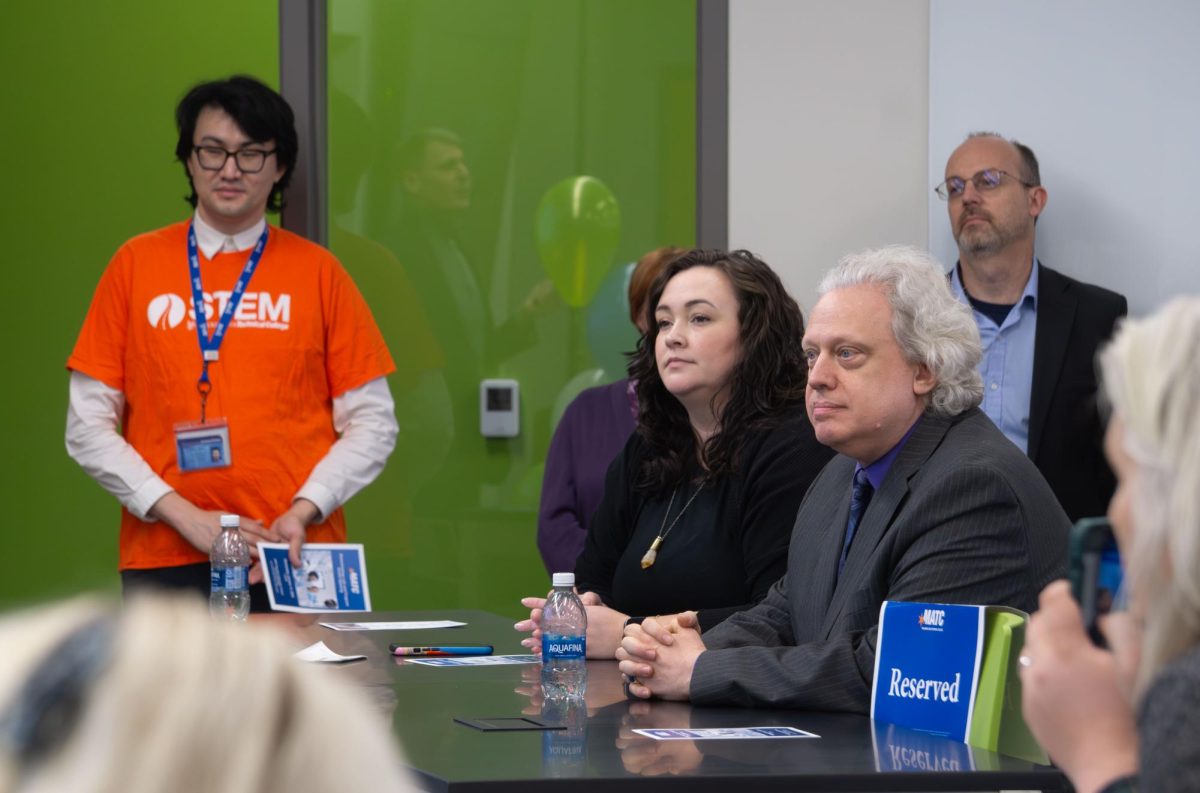













































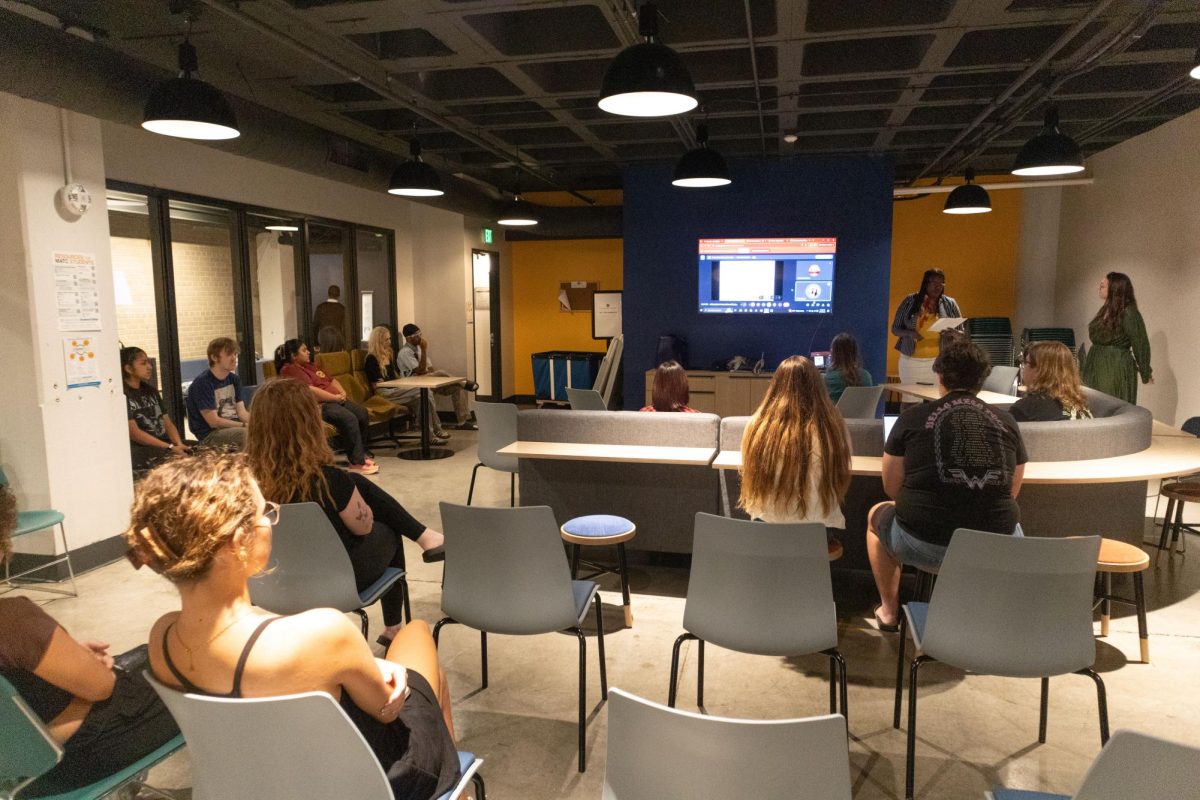


MATC just opened a brand-new biotechnology lab and classroom. It’s a space where students can get practical experience with specialized training in health and biomedical areas. They’ll also have general education, biology, anatomy, chemistry, and other biotech and biohealth classes there too.
The college revamped part of the Downtown Campus, turning it into a new 2,000 square-foot lab and classroom. The Biotechnology Laboratory Technician program began in the Spring 2026 Semester on January 20.
MATC worked with the Wisconsin Biotech Tech Hub to create this new lab and program. The college got a federal grant for 49 million, the state kicked in 5 million, and industry partners added another 24 million. The aim is to give Wisconsin’s personalized medicine and biohealth industry a boost.
“The program is designed to equip students to pursue careers in the biotechnology industry,” said Dr. Abigail Cannon. She is the director of MATC’s STEM Academic and Career pathway where she oversees the biohealth career path. There currently aren’t enough biotechnology lab technicians to go around, even though there’s a huge demand for them.
These biohealth training programs are designed to break down walls, making it easier for students and current employees to grow their skills. Students can prepare for careers in biotechnology through a mix of theory and hands-on training. This program prepares students for the real world, teaching them about drug development, molecular biology, genetics, bioprocessing and precision medicine. Students also get crucial skills for working in labs and industrial settings, covering everything from the technical skills to regulations and safety.
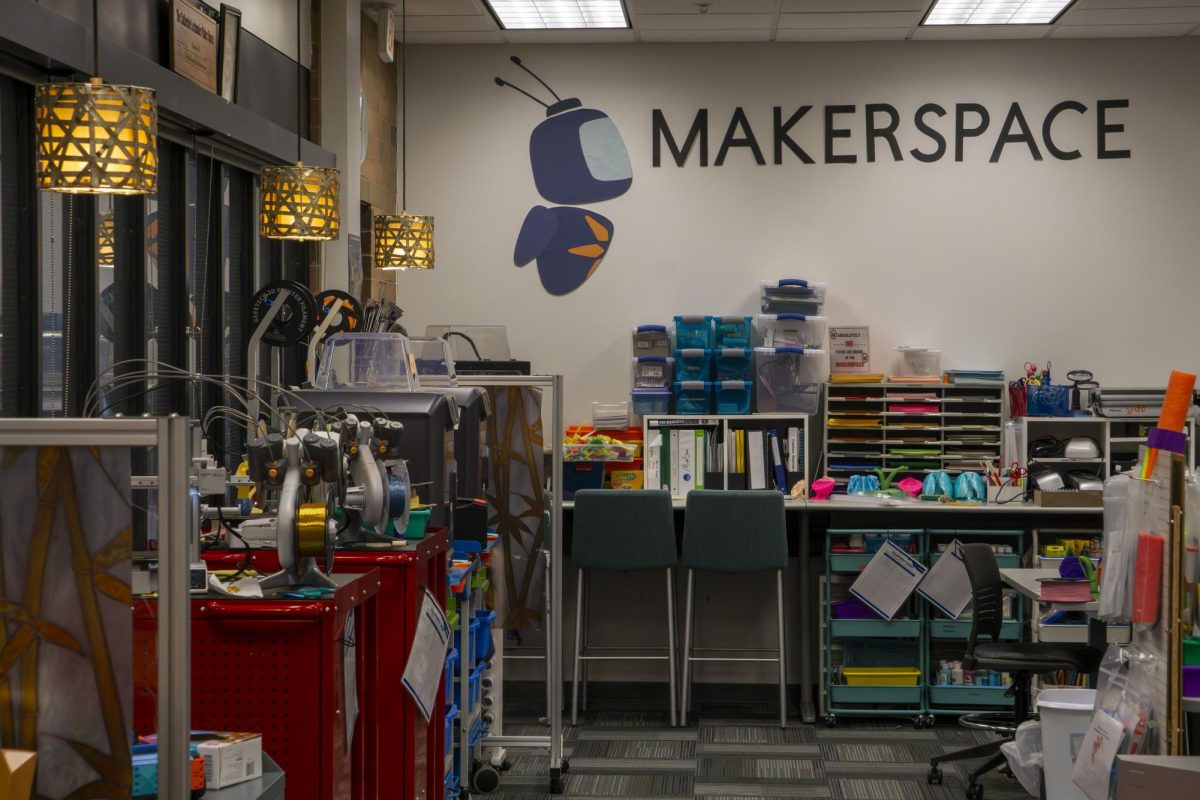
The new spaces will be used by students in health-related programs, including specific biotech and biohealth classes. The virtual reality lab will be used by science, technology, engineering and mathematics students.
The lab includes dedicated spaces for advanced computer technology that is planned to integrate advanced artificial intelligence and virtual reality technologies.
“MATC aims to address workforce needs, and the opportunity to contribute to the Wisconsin Biohealth Tech Hub program and the emerging biohealth economy is incredibly exciting,” MATC President Dr. Anthony Cruz said. “We are eager to work with industry leaders and build on our existing collaboration with our consortium partners to scale our collective expertise and support the broader consortium initiatives.”
The project will develop a skilled biohealth tech workforce by starting career awareness programs, establishing apprenticeships and offering dual credit opportunities for high school students. The goal is to bridge theoretical knowledge and develop practical skills to ensure our graduates are well-prepared to enter the workforce or continue their education with MATC’s four-year college and university partners.