





















































We continue to follow the story of the former Multicultural Services staff members who filed discrimination complaints with the Wisconsin Department of Workforce Development (DWD) after MATC cut their jobs in August 2025.
As of January 2026, these four individuals are in the first stage of a state investigation with the DWD. The DWD will figure out if there is “probable cause” to believe discrimination occurred. No decisions have been released yet, as these investigations typically take several months. Consider a local discrimination complaint turning into a federal lawsuit as a three-step process.
What’s next:
- DWD Ruling: The state will decide if there is “probable cause” or “no probable cause.”
- Possible Settlement: Both parties may agree to settle things before the investigation is done.
- Equal Employment Opportunity Commission (EEOC) Cross-Filing: Once the state process is over, the case can go to the federal level (that’s the second stage) where the EEOC then gives a “Right to Sue” letter, which you need for a federal lawsuit.
It’s important to note that this case is different from a federal lawsuit MATC’s former Chief Diversity, Equity & Inclusion (DEI) Officer, Eva Martinez Powless filed in early 2025. She said she was terminated for speaking up about discrimination and advocating for employee rights. That case is currently in the third stage (Federal Lawsuit/Litigation). U.S. District Court Judge Brett H. Ludwig ruled that the lawsuit could move ahead. Instead of relying on the college’s internal findings, this ruling allows the court to independently examine evidence in the case.
After 53 years, MATC eliminated four positions in the Multicultural Services Department. These jobs used to help Black, Indigenous, Asian, and Hispanic students with cultural support, mentoring and academic guidance. MATC said it made this choice because the Department of Education (DOE) warned that race-based services could put federal money at risk. After the college eliminated the department in August, it was replaced by the Office of Community Impact.
The former employees say that MATC used the federal guidance as an excuse for firing them unfairly and discriminatively. According to state discrimination complaints filed in December 2025, the employees were let go after U.S. District Judge Stephanie Gallagher ruled in August 2025 that the DOE’s warning–about cutting federal funding over DEI programs–was against the law. MATC said getting rid of the office and its jobs was a direct response to federal guidance because the department only helped students based on race and ethnicity.
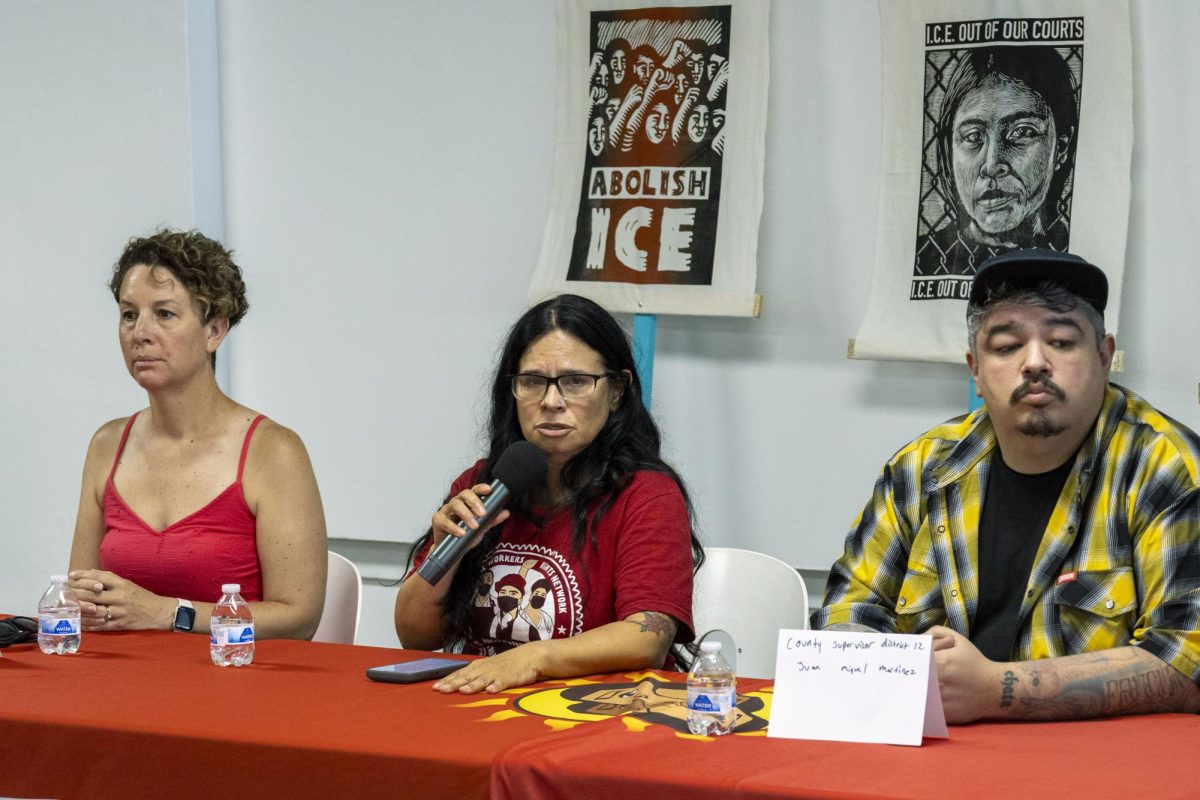
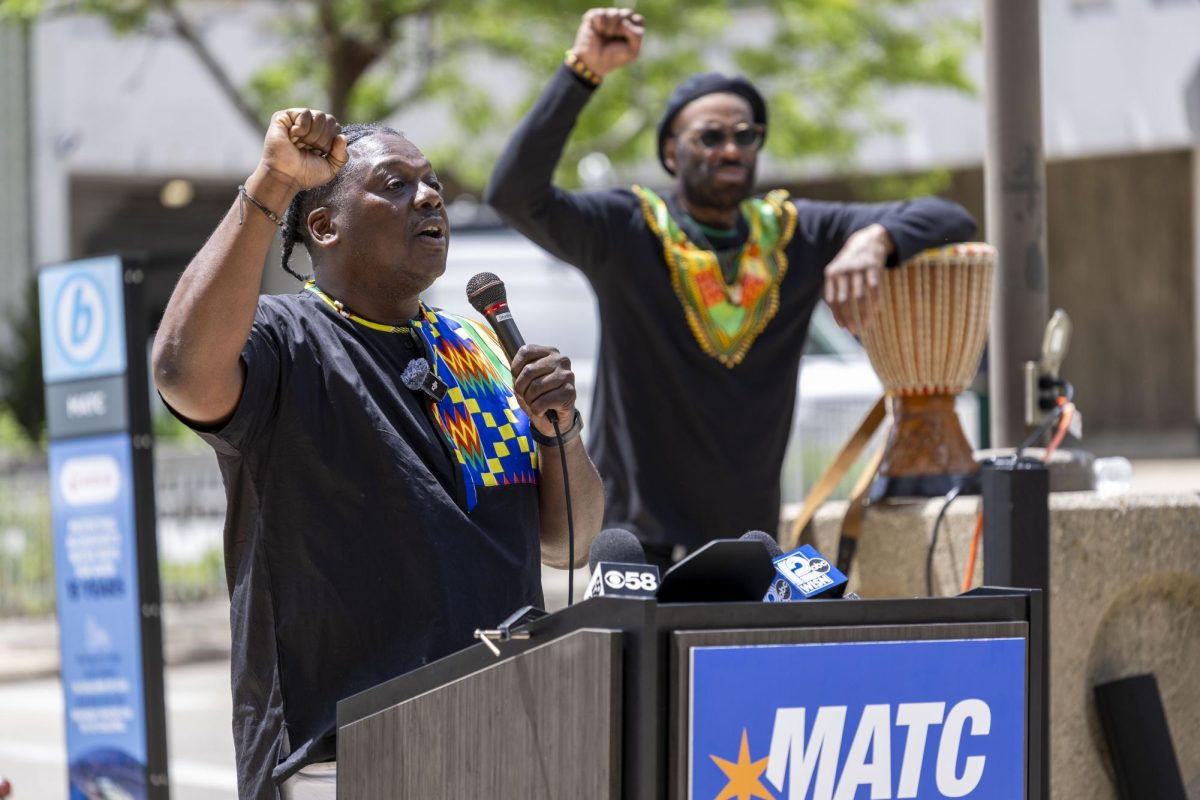
In the wake of these complaints, students, instructors, alumni and community members have protested. They want MATC leaders to rethink the changes and bring back the jobs that were cut. MATC officials have said the Office of Community Impact will keep helping students with broader, campus-wide programs, but the college hasn’t said anything about bringing back the old roles.
Advice for Employees about Legal Stuff
Workplace experts suggest that employees who feel they were fired wrongly or might be facing discrimination should talk to an employment lawyer. Some usual reasons to do this are:
- Worries about being fired illegally or discriminated against because of race, gender, etc.
- Getting payback after reporting bad behavior at work.
- Feeling pressured to sign severance or release papers without knowing what they mean.
- Missing deadlines to file discrimination charges.
- Questions about legal choices under state or federal law.
Employees should keep records like performance reviews, emails, texts or statements from people who saw what happened. They should also file a charge with the EEOC or a state agency and follow any instructions about how to follow guidelines. Many lawyers offer free or cheap chats to help employees get what their rights are and what they should do next.
The MATC discrimination complaints are still being reviewed.